

Bringing Down Barriers to Breastfeeding
It’s no secret to most parents that breastfeeding is tough. But popular culture tends to present this critical activity as effortless and intuitive – setting some parents up for a surprise when they face barriers, including lack of time, support, and confidence, as well as physical limitations.
Dr. Jasmine DeJesus, an associate professor in psychology, recently experienced difficulties breastfeeding her first child. “I just have one experience with one kid, but it’s really opened my mind up: What are the bigger range of experiences?” she asks.
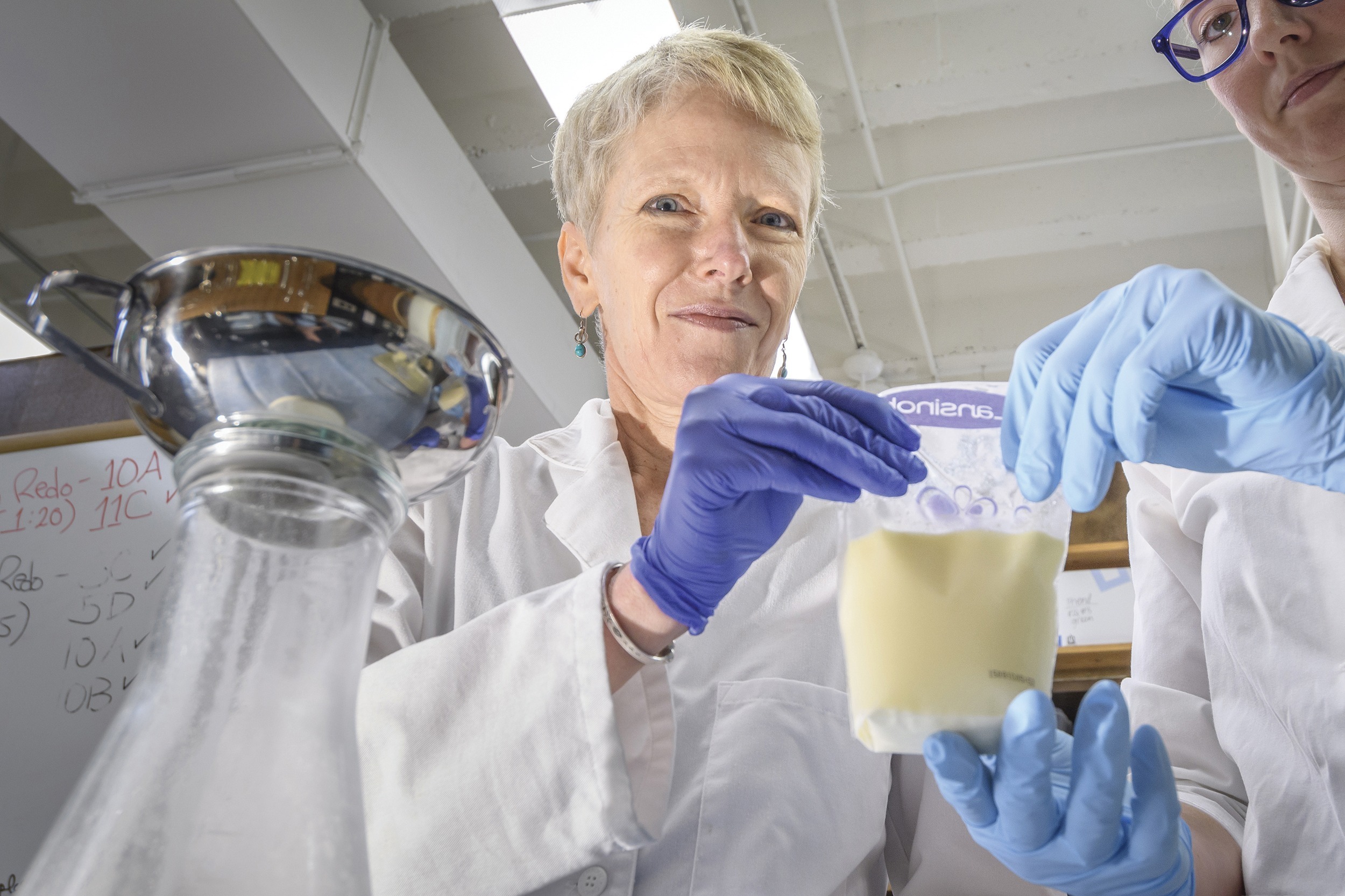
Now, DeJesus and Professor Jigna Dharod in nutrition are leading a $784,369 NIH-funded trial to reduce the barriers Latine parents face when breastfeeding.
It’s a needed project with trickle-down impacts that can help address the high
obesity rate among U.S. Latine children. Almost half of the adult U.S. Latino population is obese, and infant nutrition serves as the foundation for lifelong health.
Formula feeding is linked to rapid weight gain in infants, which is in turn linked to childhood obesity and to lifelong obesity, the researchers say.
In a 2023 study of low-income families, Dharod and DeJesus found that infants who were fed only formula had three times higher risk for rapid weight gain.
“Infancy is a very important life stage. It’s a highly developmental phase, and it’s a phase of immense opportunities,” Dharod says. “At the same time, any vulnerabilities during this phase can have a lifelong impact.”
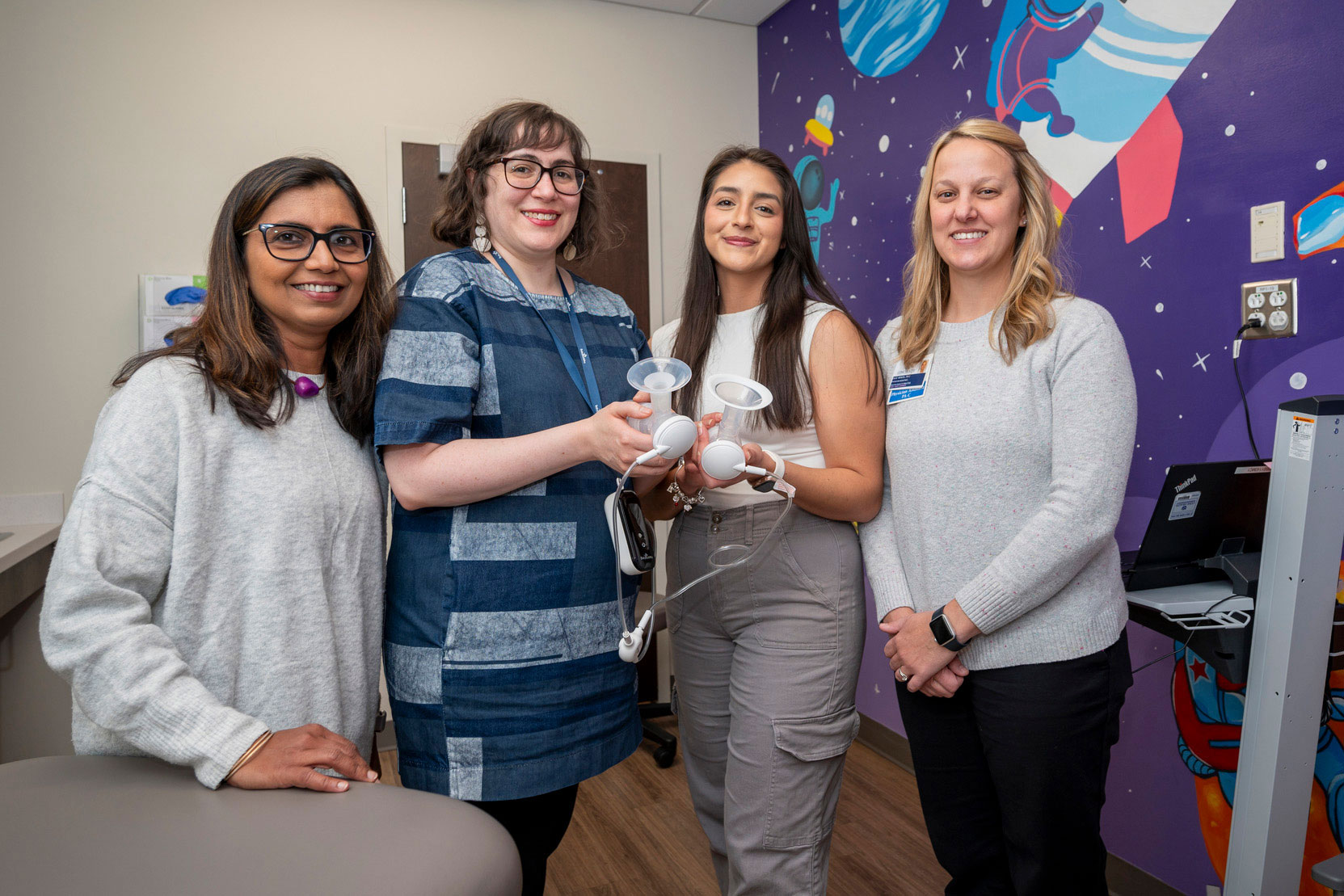
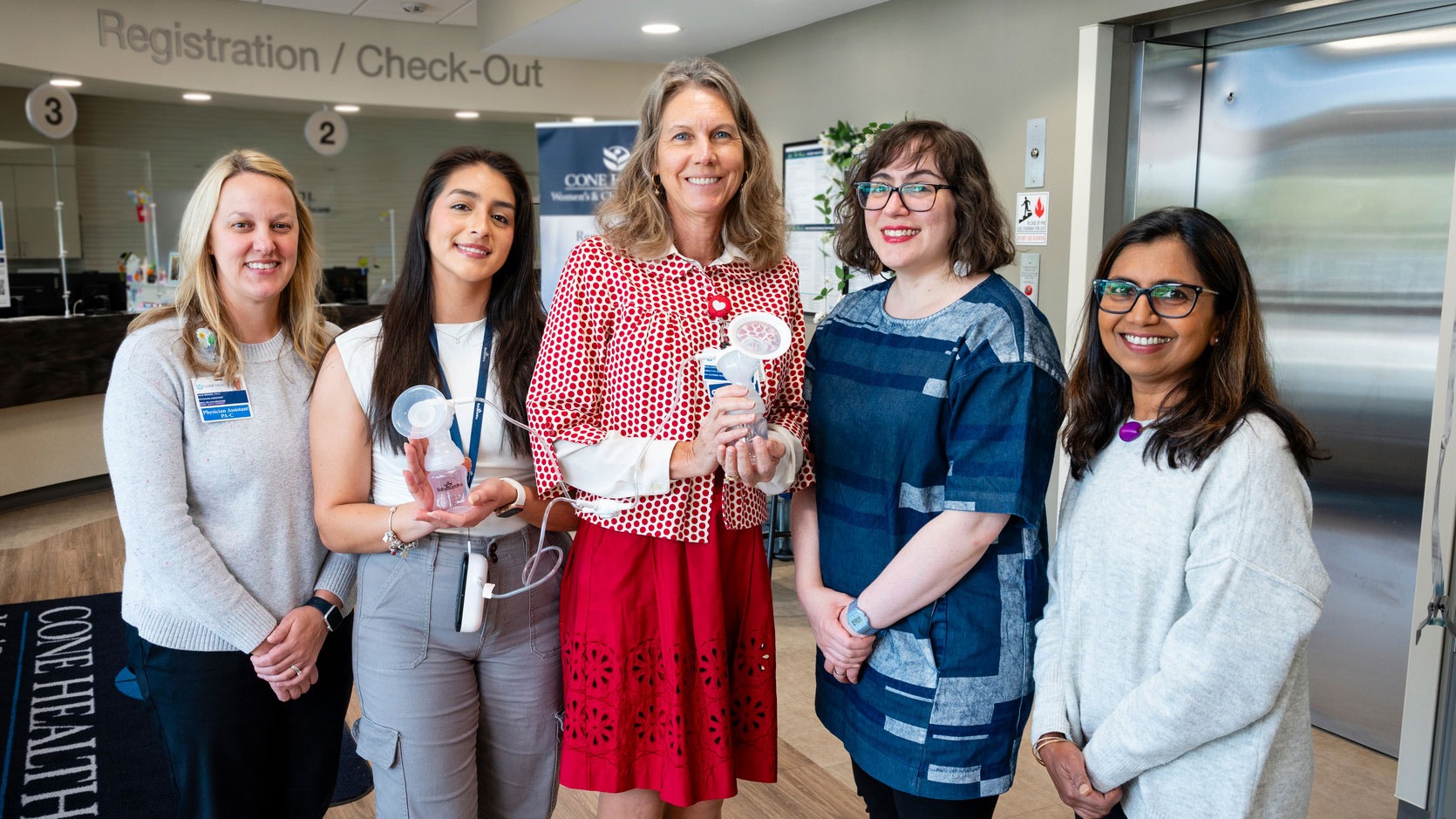
“Through this research, we’re ultimately changing lives as we discover new ways to make a difference in the communities we serve,” says Dr. Marjorie Jenkins, Cone Health’s system-wide director of nursing research.
An Opportunity to Grow

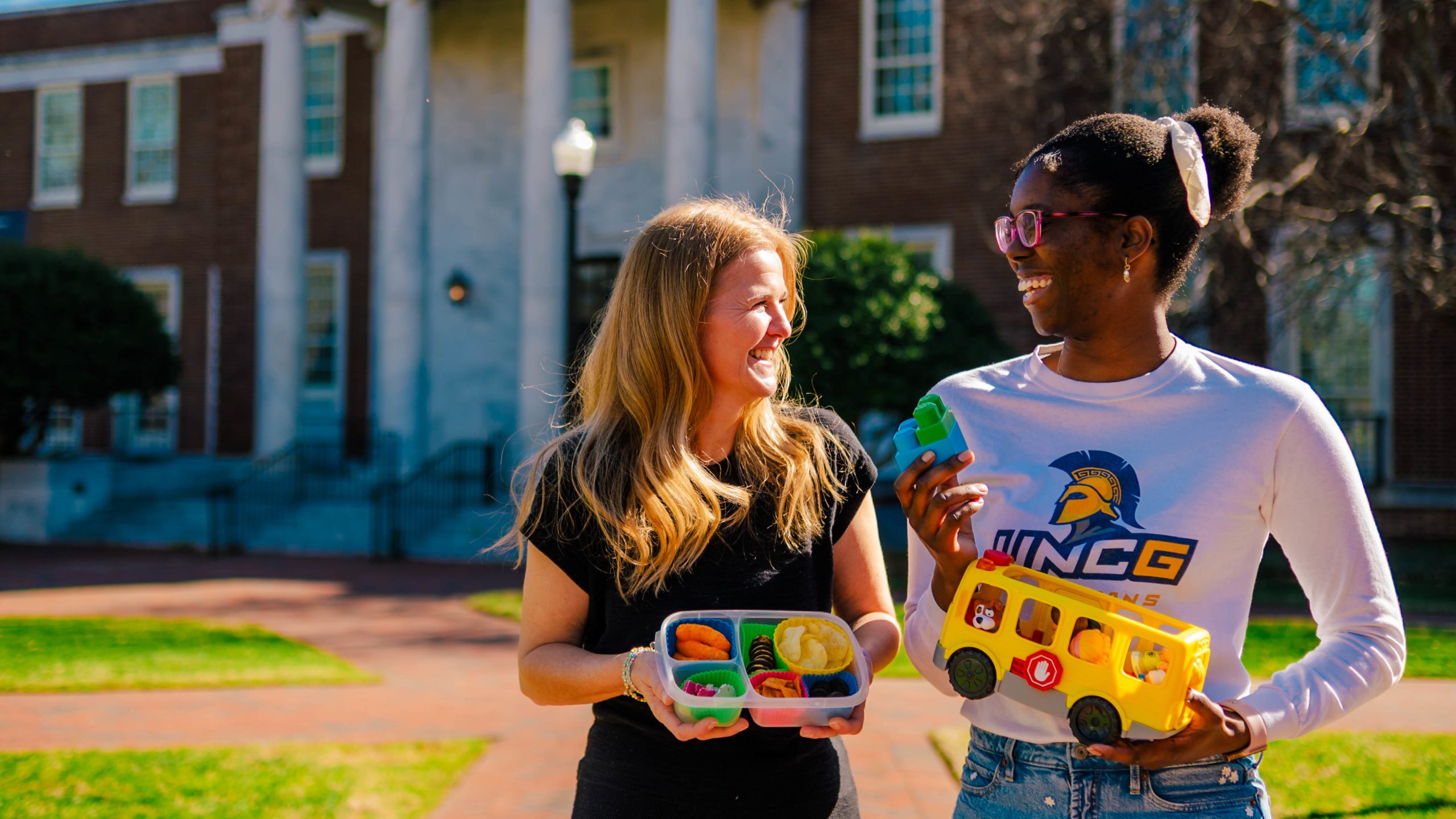
“The studies that exist in older children suggest a positive association between eating in the absence of hunger and weight outcomes, but we really don’t have studies looking at toddlers or in longitudinal models,” Shriver says.
UNCG Senior Jahleen Gourdine has a bright smile, sunflowers on her shirt, and steadfast determination to become a dietitian.
She’s the picture of a standout student – excelling in her human nutrition and dietetics major and receiving multiple awards, including the Louise E. Lowe Scholarship. But Gourdine’s path to where she is today was bumpy.
Gourdine initially attended college after graduating high school in 2018 but left before receiving her degree.
“I was kind of in this limbo state. I didn’t really know what to do with myself,” Gourdine says. “But then I found this lifestyle of being vegan and very cautious about our footprint, and it led me down this nutrition path.”
Since then, Gourdine has been dedicated to dietetics, accumulating over 1500 hours as a dietary aide and supporting herself through school by working most nights as a registration specialist in the emergency department.
Now she’s engaging in undergraduate research focused on childhood obesity for her senior honor’s project thesis under the guidance of nutrition professor Dr. Lenka Shriver, one of the leaders on the iGrow study team.

Division of Research & Engagement
UNC Greensboro
1601 MHRA Building
1111 Spring Garden Street
Greensboro, NC 27412