


Raymann has found that tetracycline, an antibiotic beekeepers commonly use to protect bees from infections, significantly alters honey bee gut microbiomes – and increases mortality in the hive over time.
Depending on your affinity for science, the word “microbiome” may be gibberish.
But if you have ever discussed your skin, gut, or a pesky infection – and how these commonplace topics connect to antibiotics, probiotics, or prebiotics – then you, too, are conversing about microbiomes.
The term refers to a community of tiny organisms, from fungi to bacteria, living together.
“You can have a soil microbiome, a carpet microbiome, a dish sponge microbiome – but I would say that the general public is usually going to associate the microbiome with animals,” says Dr. Kasie Raymann, assistant professor in the Department of Biology.
The human microbiome has piqued people’s interests, but studying it can be tricky, she says. Our diets change. Our genetics are complex. Lifestyles vary widely. These shifting factors can make it murky to design a controlled experiment.
Much of the nitty gritty remains a mystery: That’s where bees come in.
“The honey bee is a really good model system for us because they have a relatively simple microbial community that lives inside their gut,” says Raymann. “But unlike fruit flies and other simple insect systems, honey bees acquire their microbes socially, like mammals.”
Raymann’s lab is among a handful of research groups dedicated to answering fundamental questions about bees microbiomes.
With a $763,000 National Science Foundation Bridging Ecology & Evolution grant – aptly abbreviated “BEE,” her team is investigating what factors influence the composition of a bee’s microbiome.
It’s timely work, given that up to half of honey bee colonies are lost each year. But for Raymann, it’s largely about improving our understanding of fundamental processes.
“When we start to understand how microbiomes work and are shaped in bees, then we are one step closer to understanding them in humans,” she says.
Story Highlights
Dr. Kasie Raymann’s lab specializes in bee microbiomes. The research, which aids bees and provides insight into fundamental processes in humans, has taken unexpected turns – including an exciting discovery by grad student Lexi Hoopman and $850,000 in USDA funding to study bee reproductive health.
Part of the hive
Researchers investigate bee child-rearing practices, gut health, and more to help hives – and humans – thrive.


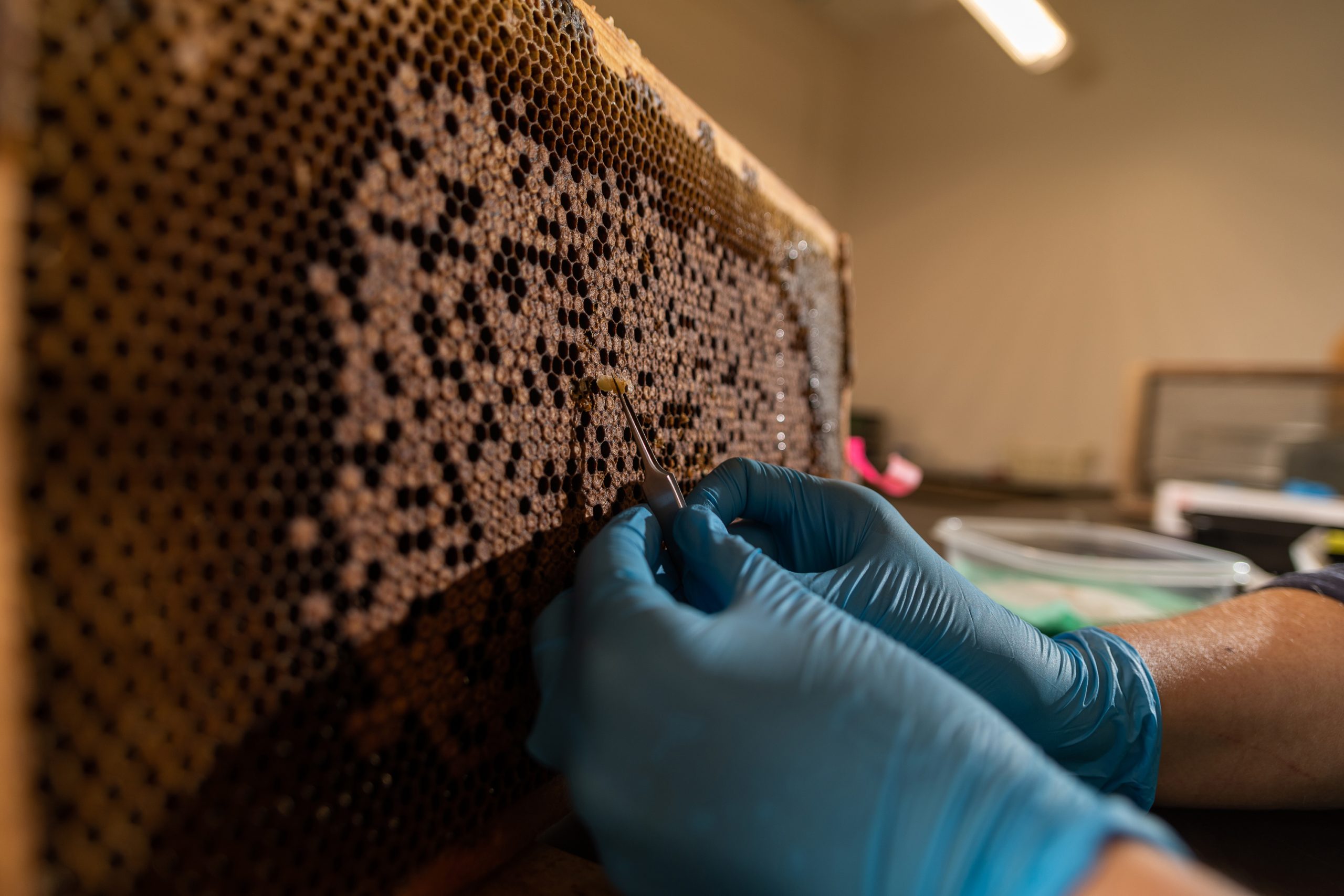
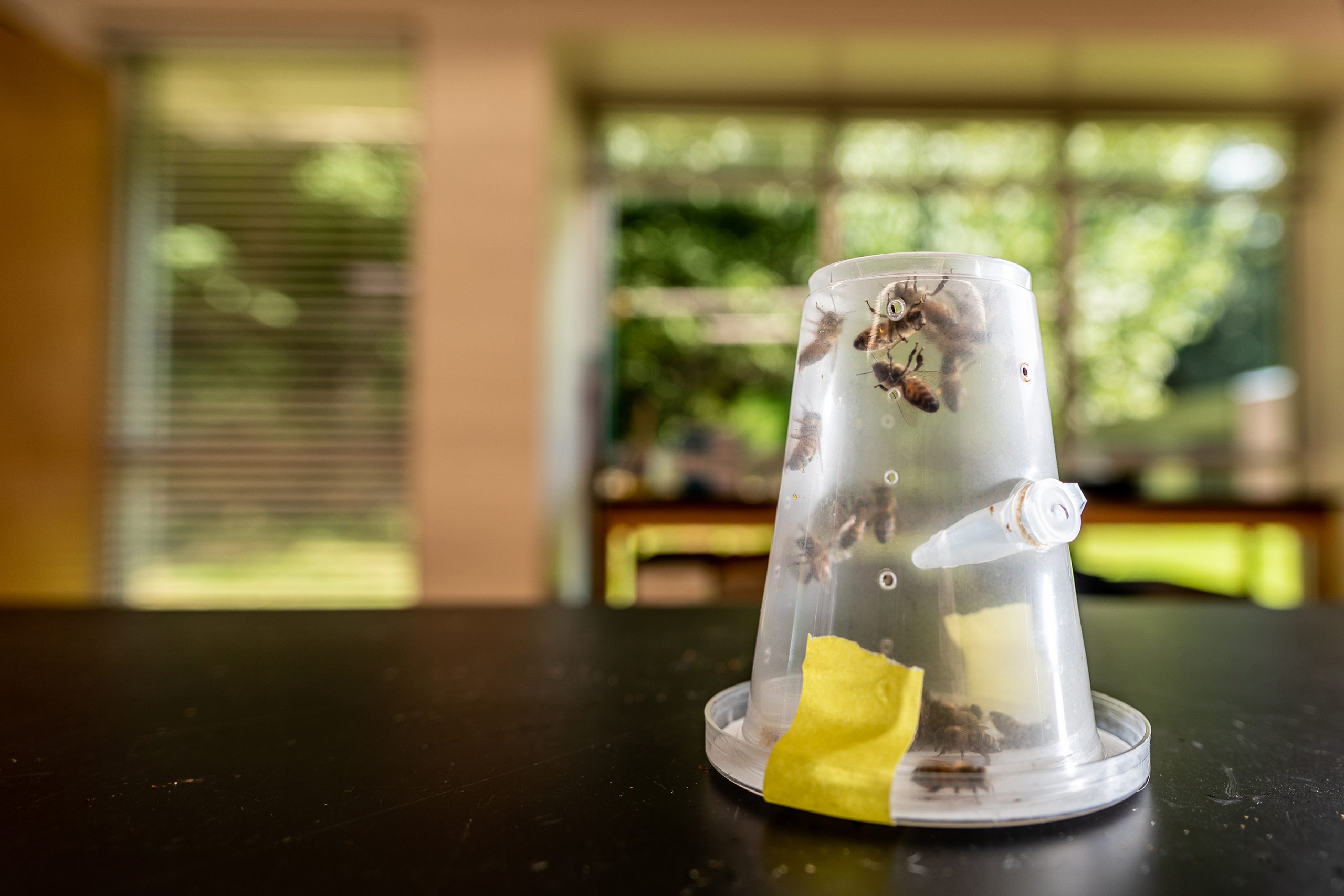
“Honey bees acquire their full microbiome after pupae chew their way out of their capped cells and interact with their sisters in the hive,” says Raymann.
“We obtain microbiome-free bees for our experiments by uncapping cells and removing pupae before they have developed the ability to chew – we move them to a sterile environment to finish developing. We also bring bees into the lab to control factors like diet, temperature, humidity, and environmental conditions.”
The birds and the bees: a new microbiome
A major step for the Raymann lab sparked with the arrival of stellar graduate student Lexi Hoopman – leading to nearly $900,000 in grant funding and a novel discovery about honey bees.
“Lexi is not like any other graduate student I’ve met,” Raymann says. “She has the research, maturity, and drive and insight of someone much further along in their career.”
As an undergraduate at North Dakota State University, Hoopman had become hooked on honey bee research. There, she made a curious observation that would become key down the road: antibiotics killed bees’ sperm. And neither Hoopman nor the rest of the scientific community knew why.
So when Hoopman found Raymann’s work on antibiotics and honey bee gut microbiomes, reaching out was a no brainer – even if it meant doing her PhD at a school 1500 miles away.
“Lexi’s ideas weren’t exactly what I was doing in my lab,” says Raymann. “But because she had such well-developed and interesting questions on bee reproduction, I was willing to find a way that we could merge our interests and create a project.”
Together, Raymann and Hoopman discovered that honey bees have bacteria that live in their reproductive tissues – a reproductive microbiome.
“We know that mammals have reproductive microbiomes, and there have been some reports of some insects having them, but no one had ever looked in honeybees,” says Raymann. The duo plan to publish their findings about bacteria in the honeybee reproductive microbiome next year.
The impact of antibiotics on this reproductive microbiome, they theorize, may significantly impact the health of hives.

Move over, gut, exoskeletal, and oral microbiomes. Raymann and Hoopman are investigating a reproductive microbiome in honey bees.
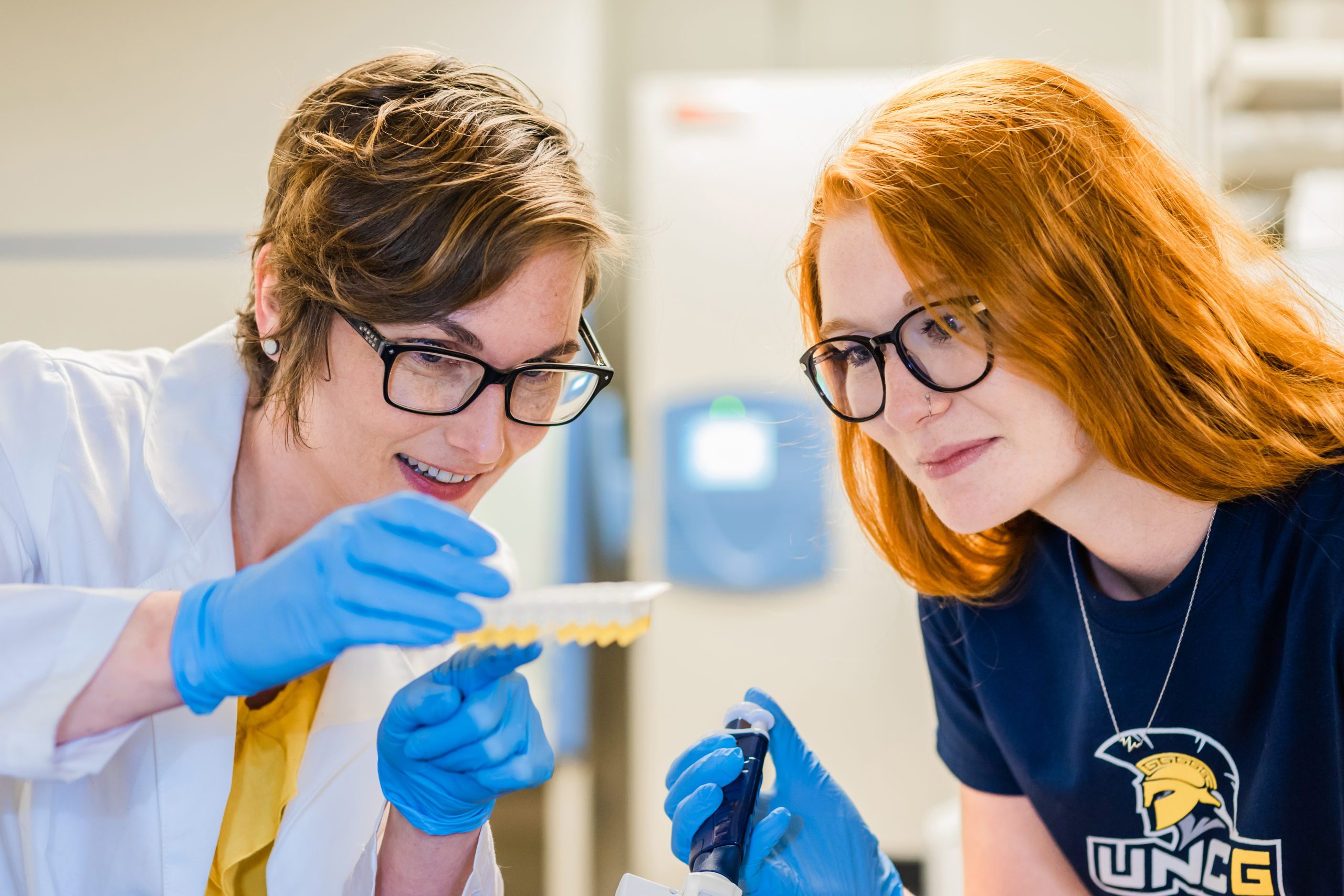
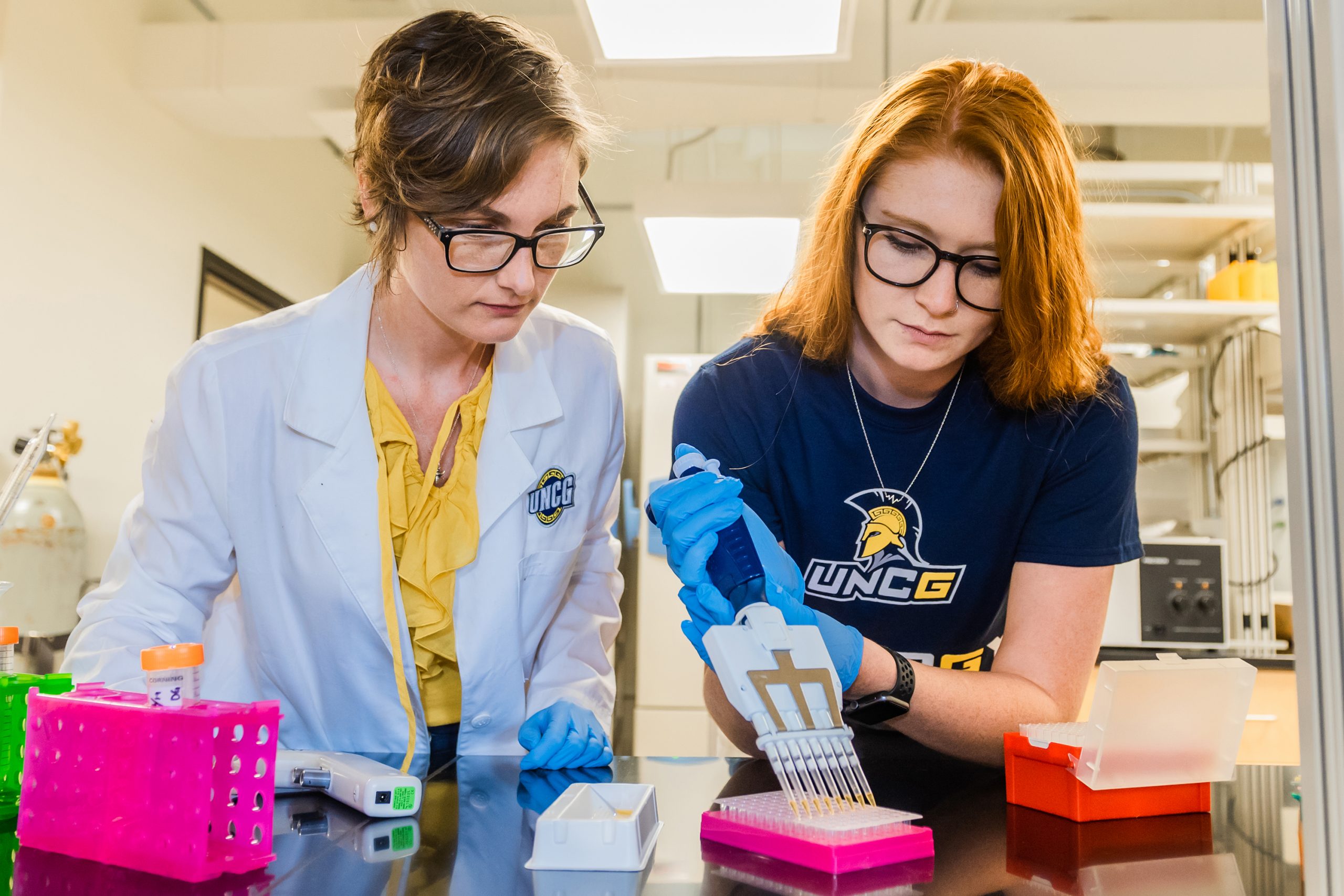
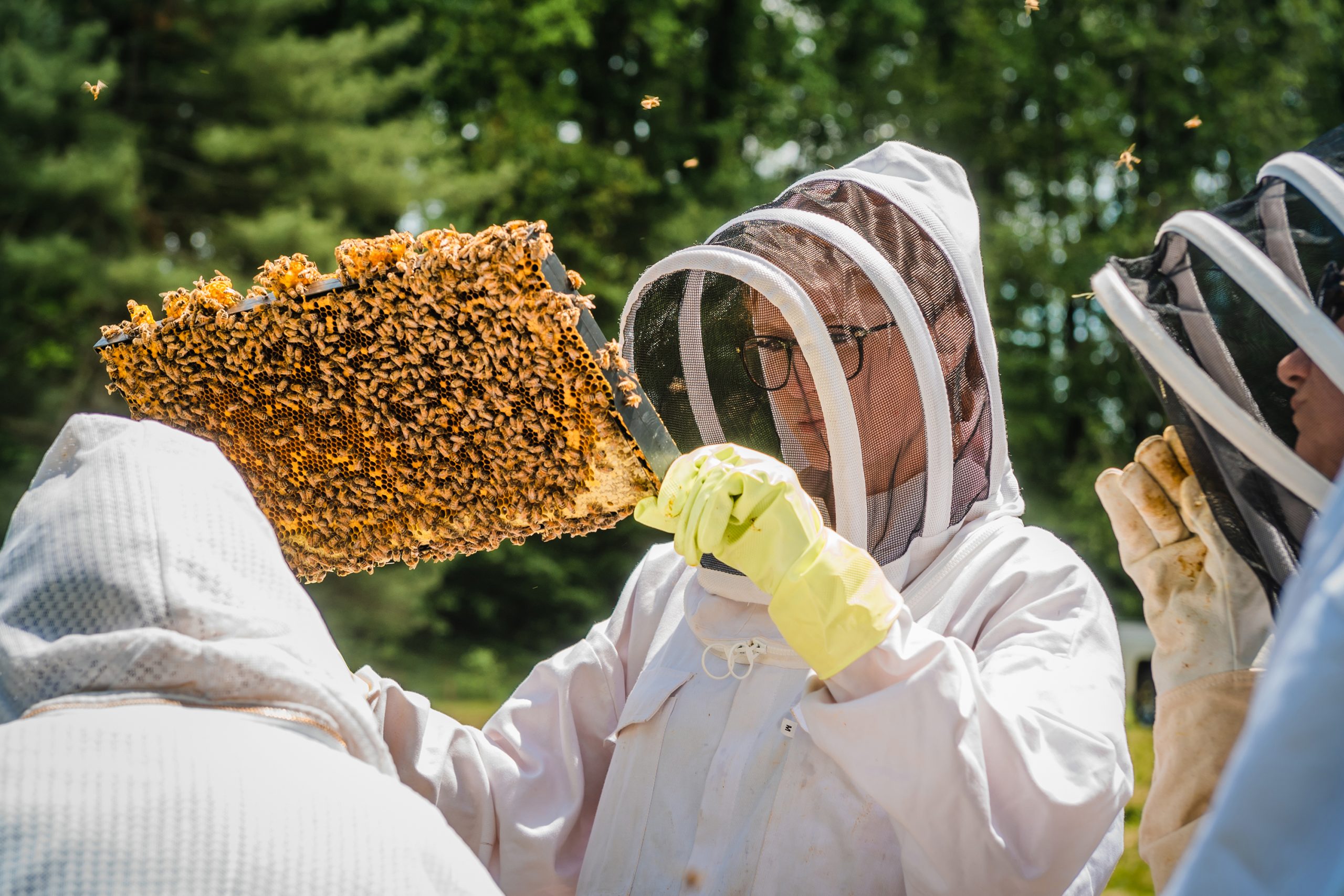
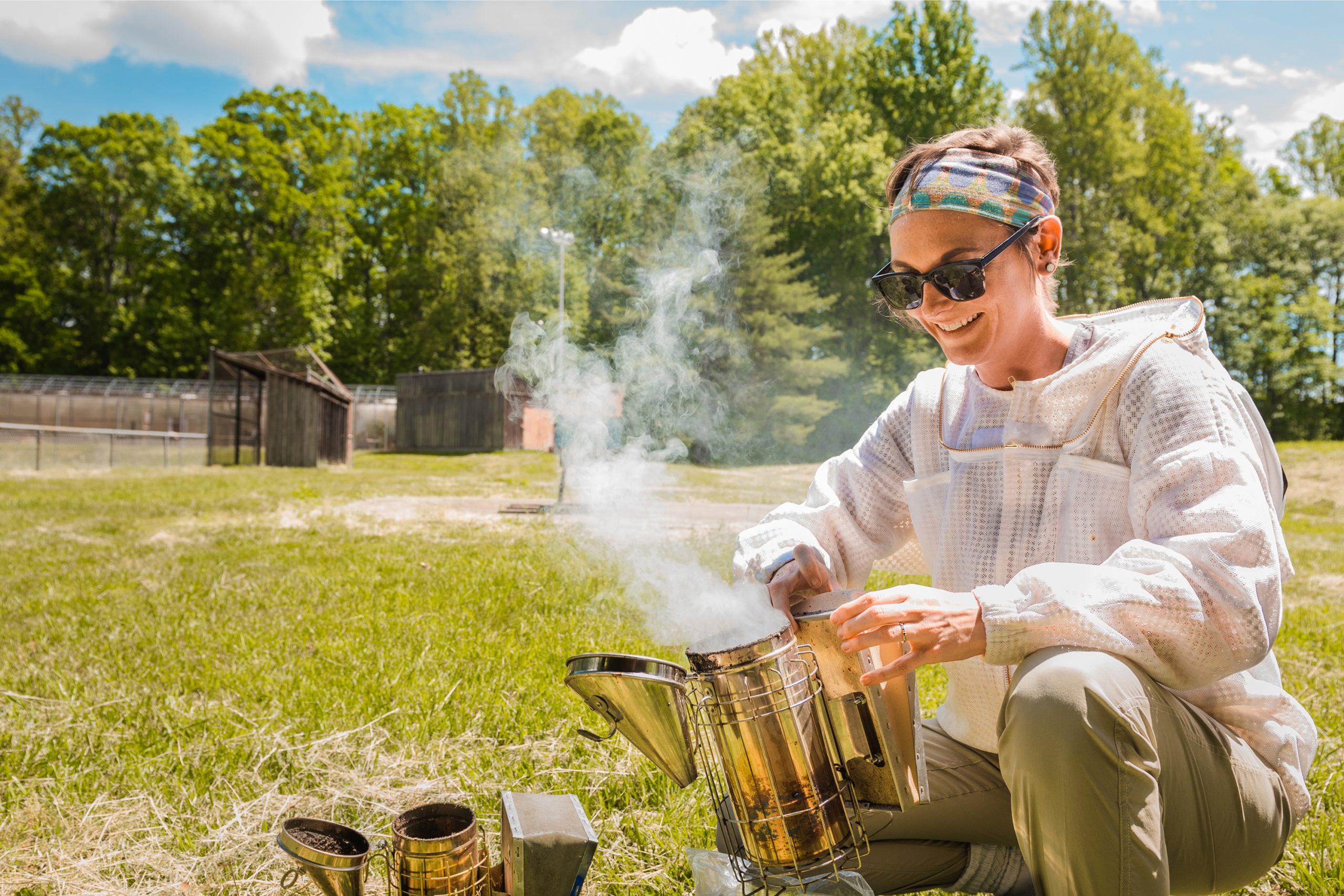
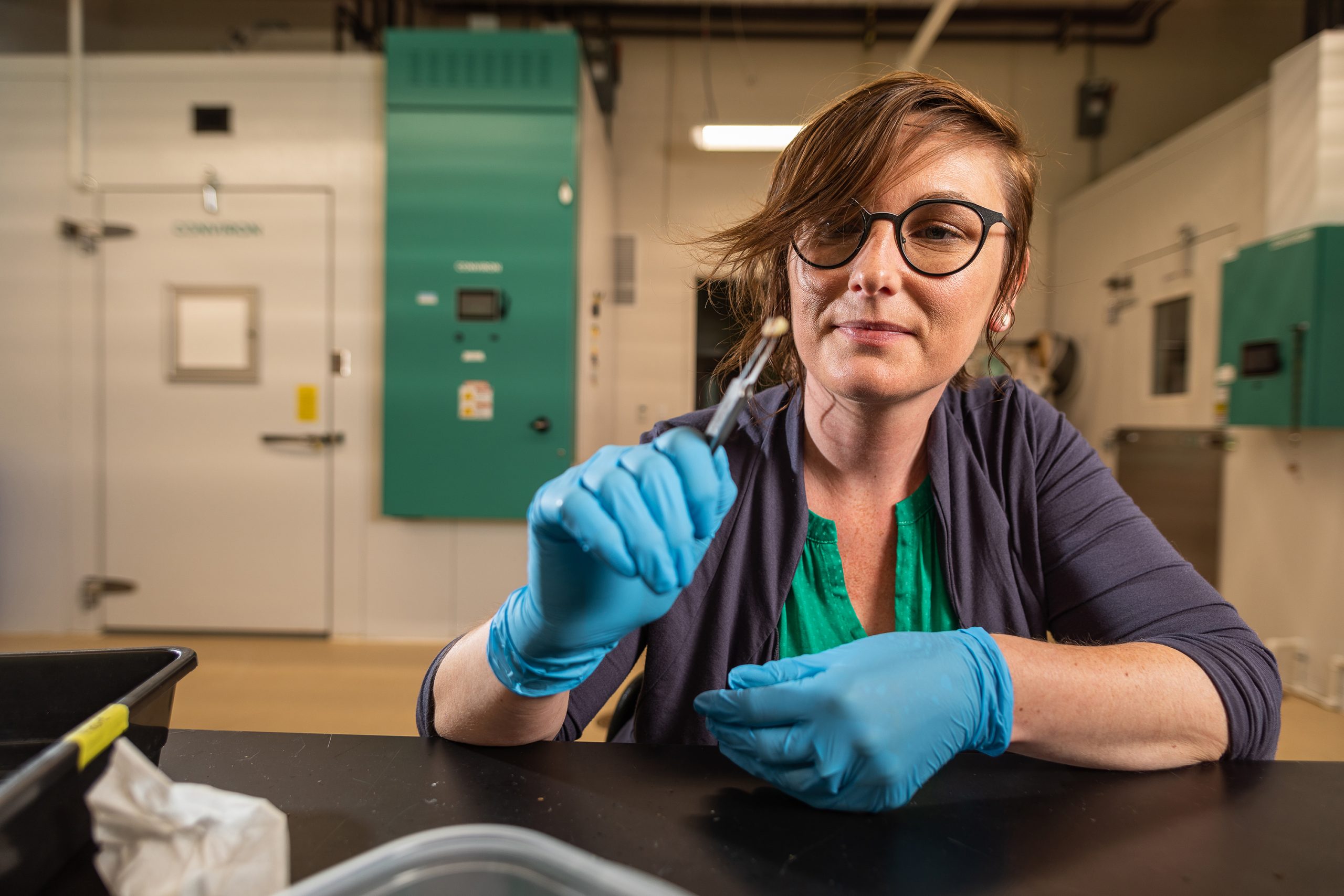
“I am so lucky to learn from Kasie as my advisor,” says graduate student Lexi Hoopman (in photos 1,2, and 3 in the lab and field with Raymann). “She is an amazing scientist and grant writer, and she’s taught me skills essential to succeeding in academia. She cares so much about students and everyone working in her lab.”
In-hive medications
Raymann and Hoopman, in collaboration with Dr. David Tarpy at NC State University, leveraged their early findings to net a $700,000 USDA grant. “Our big question is whether antibiotics and other in-hive treatments impact reproductive fitness in bees,” Raymann explains.
A National Institute of Food and Agriculture predoctoral fellowship awarded to Hoopman brought in an additional $180,000 from the USDA and let the team explore their question not just in the field but also in the laboratory.
“In the field, things can be much more variable, and you don’t always get clean results. But then when you do stuff in the lab, you have the criticism that it’s not applicable,” Raymann says. “So, we really have both sides going on with this research, and it’s really exciting.”
The researchers are specifically investigating tetracycline and amitraz – an antibiotic and a miticide commonly used in beekeeping.
They want to know if these medications accumulate in reproductive tissue and if they impact sperm viability, body and organ weight and size, and the reproductive and gut microbiomes in honey bees.
Early results track with the researchers’ suspicions. “Ingesting tetracycline is reducing the diversity and amount of bacteria in drones’ reproductive organs,” says Hoopman. “And, in vitro, we’ve seen that tetracycline kills honey bee sperm in doses eight times smaller than what’s used in a typical hive treatment.”
Antibiotic treatments may also be killing immature bees. “Developing drones exposed to tetracycline at the same concentration as an in-hive treatment die in 4 days, and even at half that dose, larva die in seven days,” she says. Queens, too, seem to be affected. “Antibiotics can reach and be absorbed by the queen reproductive organs at shocking concentrations.”
While the work is still in early stages, Hoopman hopes it will ultimately serve as a wakeup call.
“Hopefully, our results will be an eye-opening push for antibiotic alternatives for beekeeping – and also just highlight the dire need to reduce antibiotic use everywhere.”
She’s thrilled to be at the forefront of bee knowledge.
“I think I’m coming in at this really perfect time where people are understanding how important these microbiomes are across our entire bodies and environments.”

“Queens used to live around 3-7 years, but now colonies are replacing them in about six months,” says Raymann.
“This can happen for several reasons, including a lack of stored sperm. But when a queen dies, it doubles the chance the entire hive will die. That’s why the reproductive fitness of queens and drones is so important.”

Division of Research & Engagement
UNC Greensboro
1601 MHRA Building
1111 Spring Garden Street
Greensboro, NC 27412