

Seeds for Success
Called the Battery Belt, North Carolina is home to a growing battery-manufacturing presence.
Toyota Battery Manufacturing North Carolina is building the company’s first plant to develop and produce lithium-ion automotive batteries just a 30-minute drive from Greensboro. Production is expected to begin this year and eventually employ more than 5,000.
“Toyota Tsusho is committed to investing in the Piedmont Triad region and actively pursuing new opportunities to strengthen the battery value chain across North America,” says Evan Leon, senior project manager for the Battery Project of Toyota Tsusho America, Inc. “We are dedicated to fostering growth and innovation in this vital sector.”
Other big battery-related projects include a Japanese battery-component plant in Davidson County and a battery materials processing plant in Brunswick County.
North Carolina is also home to large lithium ore deposits.
The Carolina Tin-Spodumene Belt is a 25-mile-long belt of ore stretching from the northern to the southern state line that has attracted mining and excavation operations. Phosphate is another key mineral for batteries, and North Carolina has the largest integrated phosphate mine in the world.

Securing the nation’s critical minerals supply chain. North Carolina has rich deposits of critical minerals that form the foundation for next-generation battery and electrification technologies. BRIGHT’s cutting-edge research in material recovery, safe and sustainable extraction, and advanced processing technologies buttresses national security and economic resilience – building a more secure, sustainable future.
The state is attracting and growing its own companies along the entire electric vehicle – EV – supply chain: from lithium mining and extracting, to battery innovation and the automotive industry, to design and manufacturing of charging stations, and points in between. Add to that pioneering research at UNCG and other universities and an available workforce, and North Carolina is full of potential to become an international driver for this strategic sector of the economy.
“North Carolina has an opportunity to become a world leader in electrification and battery technologies,” says Dr. Hemali Rathnayake, the professor of nanoscience at UNCG who will lead the BRIGHT Institute.
Rathnayake’s own research, which focuses on organic and polymeric materials, has led to a spin-off company concentrating on harvesting lithium sustainably.
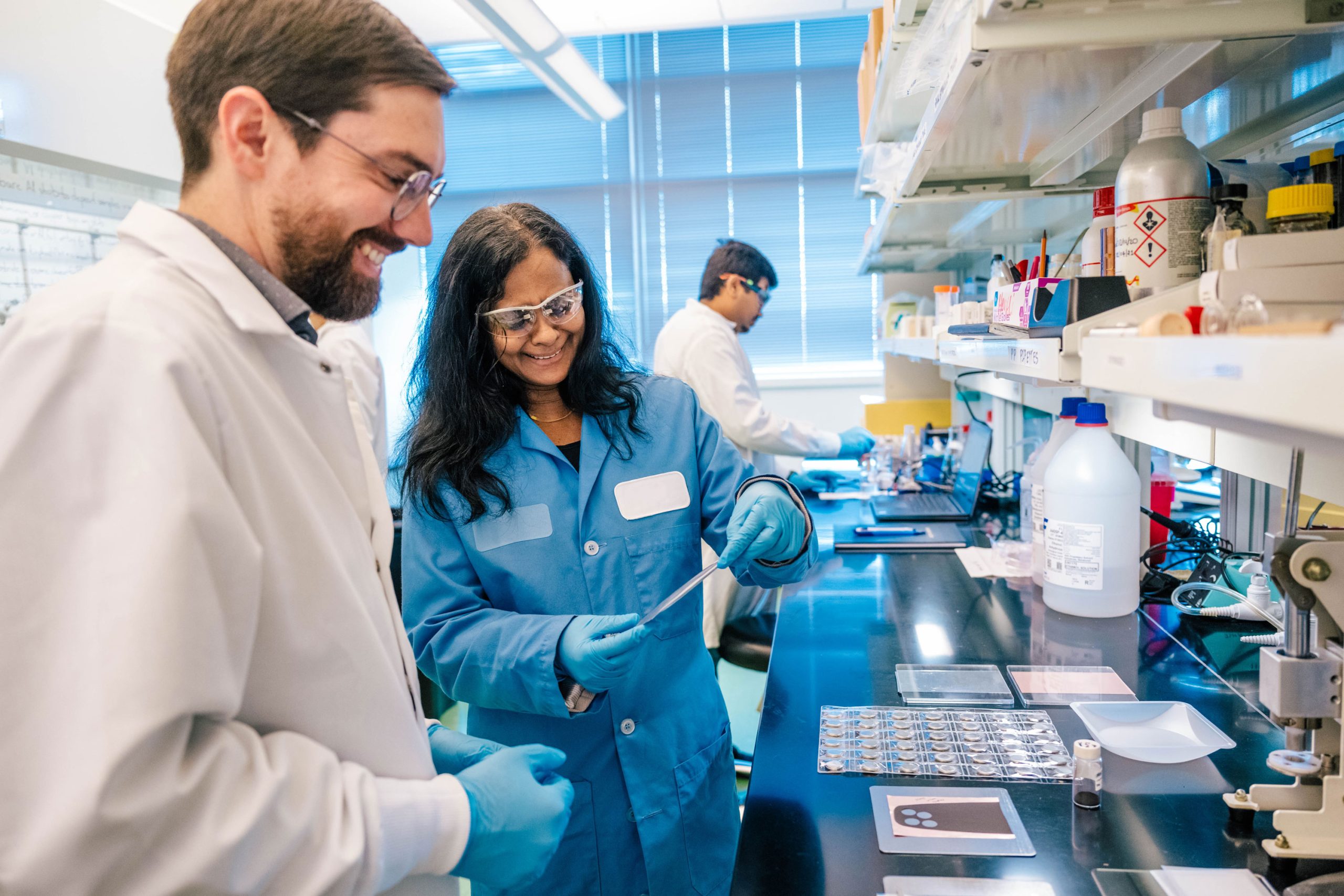







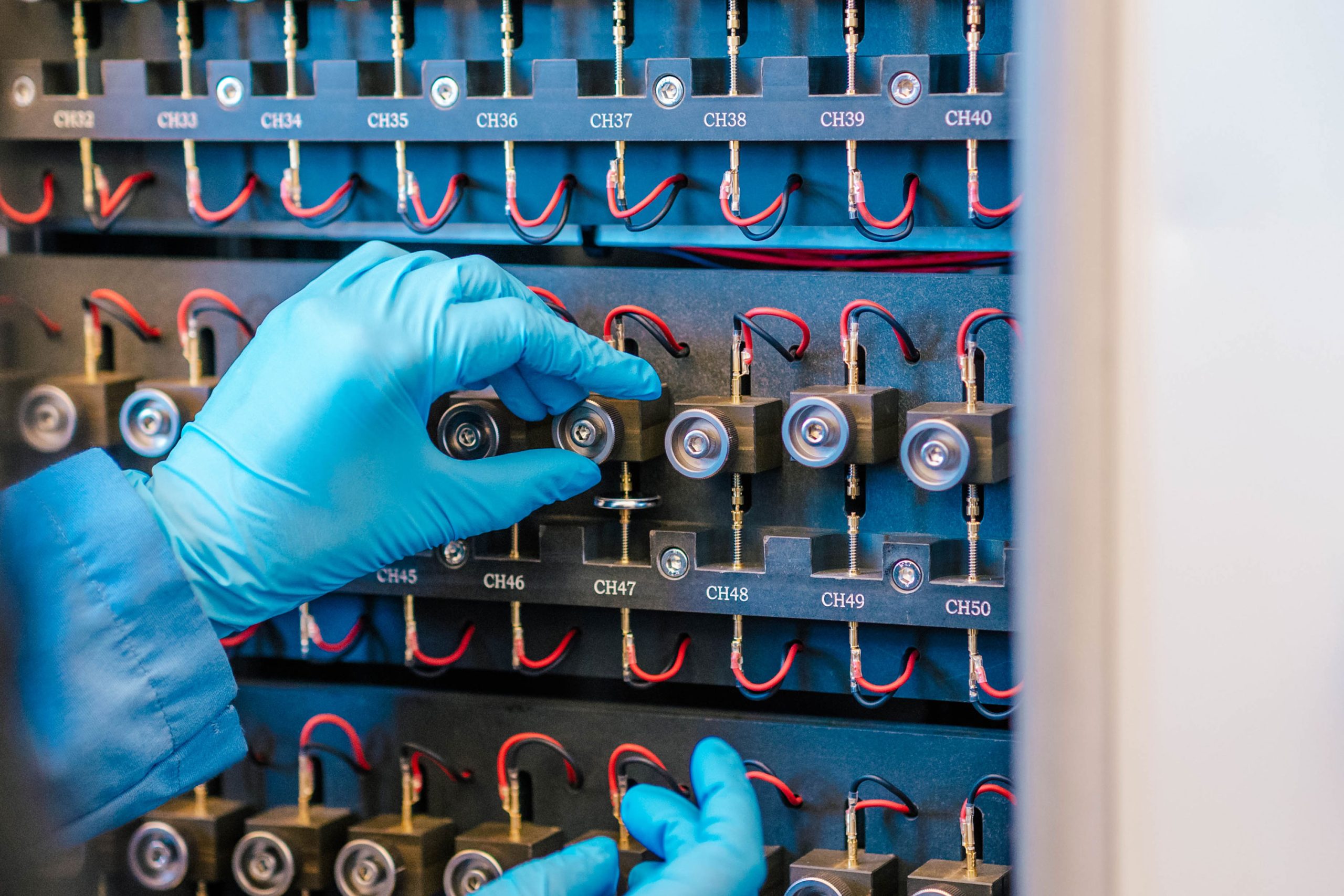
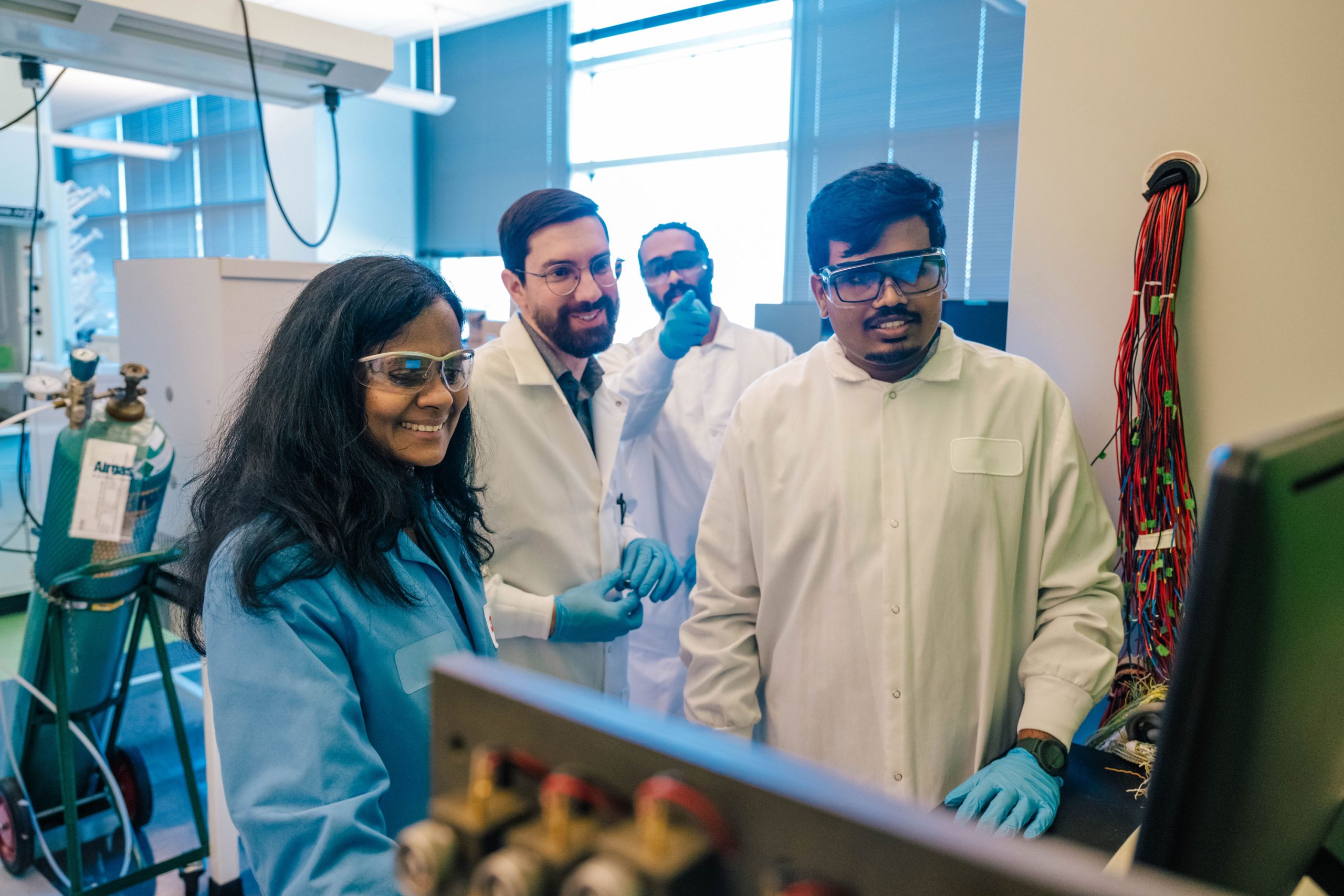
Rathnayake, senior scientist Robson Grosso, and graduate students in their lab demonstrate the battery-making process.
“We can leverage the strengths at UNCG in a variety of fields that align with the needs of our region and industry partners,” says Vice Chancellor for Research and Engagement Sherine Obare.
“We have expertise and partnerships intersecting with the economics of the energy transition, urban growth dynamics related to electric vehicle infrastructure, biological sources for new energy solutions, and more.”
Understanding Needs
As a leader and convener, BRIGHT focuses on three areas: research and development, academic-industrial partnerships, and workforce training.
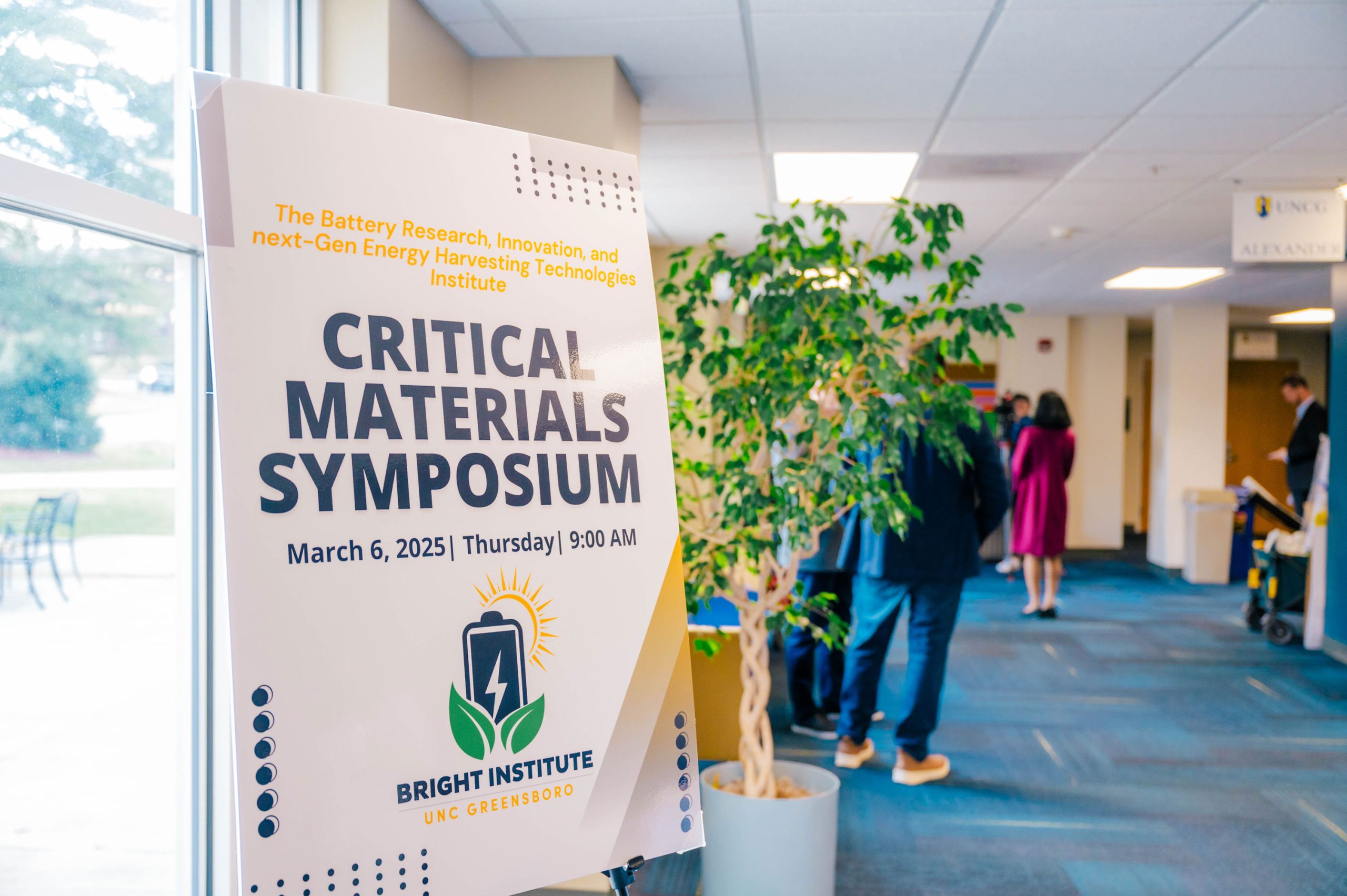
The institute launched in March 2025 with a Critical Materials Symposium that gathered experts from each of these sectors to discuss challenges and opportunities. Topics included critical materials supply chains, battery technology innovations, workforce development, policy issues, and more.
These conversations provided traction for immediate progress in each of the Institute’s core areas.
Oak Ridge National Laboratory, the federally funded research center at the forefront of supercomputing, advanced manufacturing, materials and energy research, and more, agreed to partner with BRIGHT on research.
Mass Tech Consultant Group to Tata Battery Industries plans to send 10 employees to the institute as the first cohort of a 7-week industry-focused, hands-on training program.

Gregory, Reifsteck, and the president of the UNCG chapter of the Student Veterans Association work together at UNCG’s Military-Affiliated Services office.
Meanwhile, over the summer, a first group of graduate students underwent hands-on battery training through the institute. Beginning in fall 2025, upper-level undergraduates and graduate students can enroll in the same UNCG training to prepare them for battery industry careers.
Students interested in other aspects of the battery industry can also enroll in a new offering from the UNCG Bryan School of Business & Economics. “The Graduate Certificate in Strategic Procurement and Supply Chain Management curriculum applies to the battery industry as well as many other industries,” says lecturer Samuel Chinnis, who directs the Department of Information Systems and Supply Chain Management certificate.
Staying Ahead of the Curve
UNCG nanoscience researchers are seeking to improve lithium extraction processes and build better cathodes. Other faculty analyze the economics of electric vehicle adoption, its effect on urban growth patterns, and the environmental effects of different types of electric power generation to recharge EVs. And there’s more. The BRIGHT Institute’s research portfolio will shed light on a wide range of basic and applied science critical to the growing electrification of our economy.
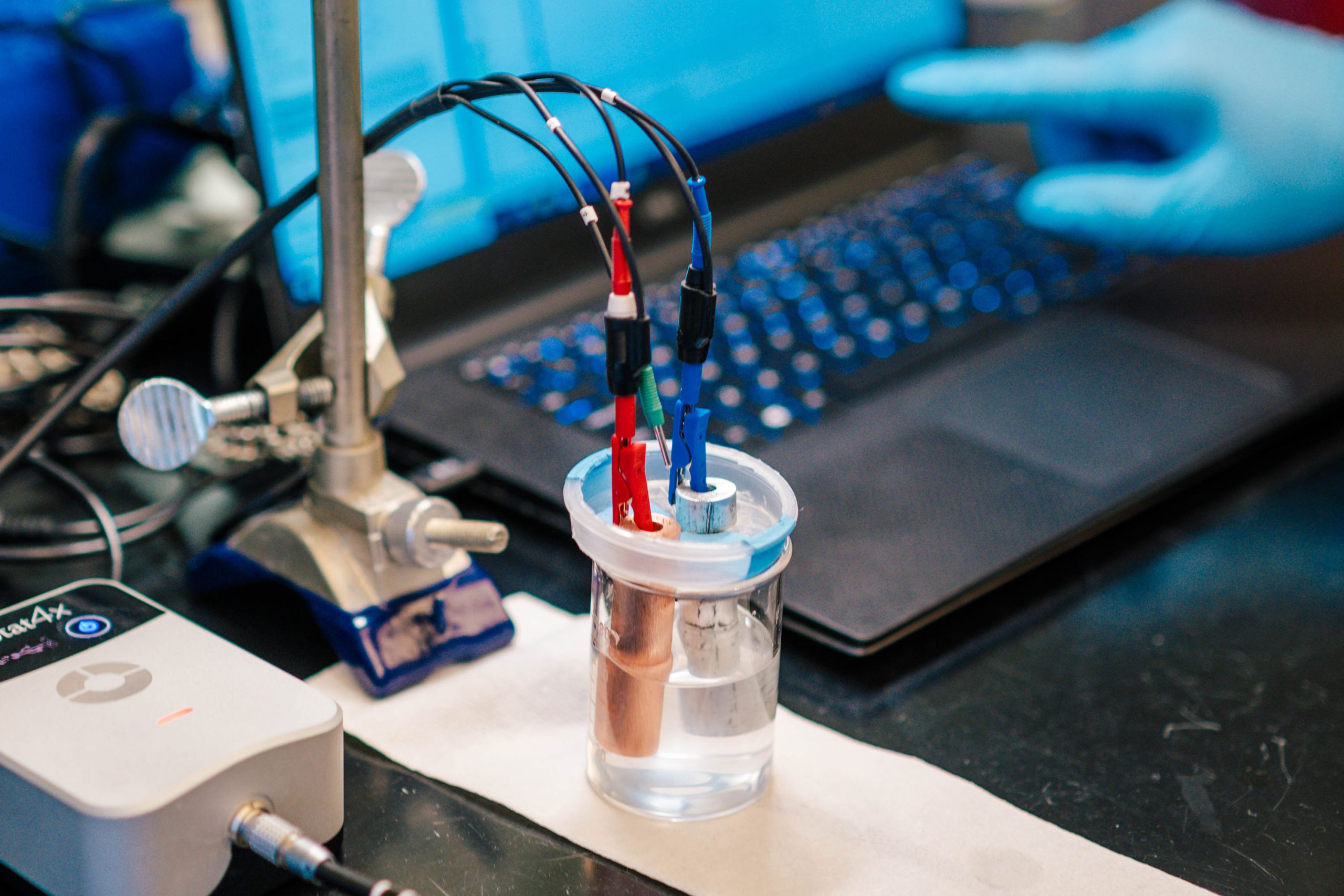
Applied science research led Rathnayake and her former student, Dr. Sheeba Dawood, to spin out their company Minerva Lithium to develop a patented filter technology that recovers lithium from water resources.
“The company aims to advance this patented filter technology, which recovers lithium from other lithium-rich resources, like from the Spodumene Belt in North Carolina,” Rathnayake says.
She and her team also acquired U.S. Department of Defense HBCU/MI Equipment program funding for of a state-of-the-art 3D super-resolution microscope for imaging of live cells. The $800,000 ZEISS Elyra 7 enables the real-time study of structural features in biological systems as small as 60 nanometers – less than the width of a human hair.
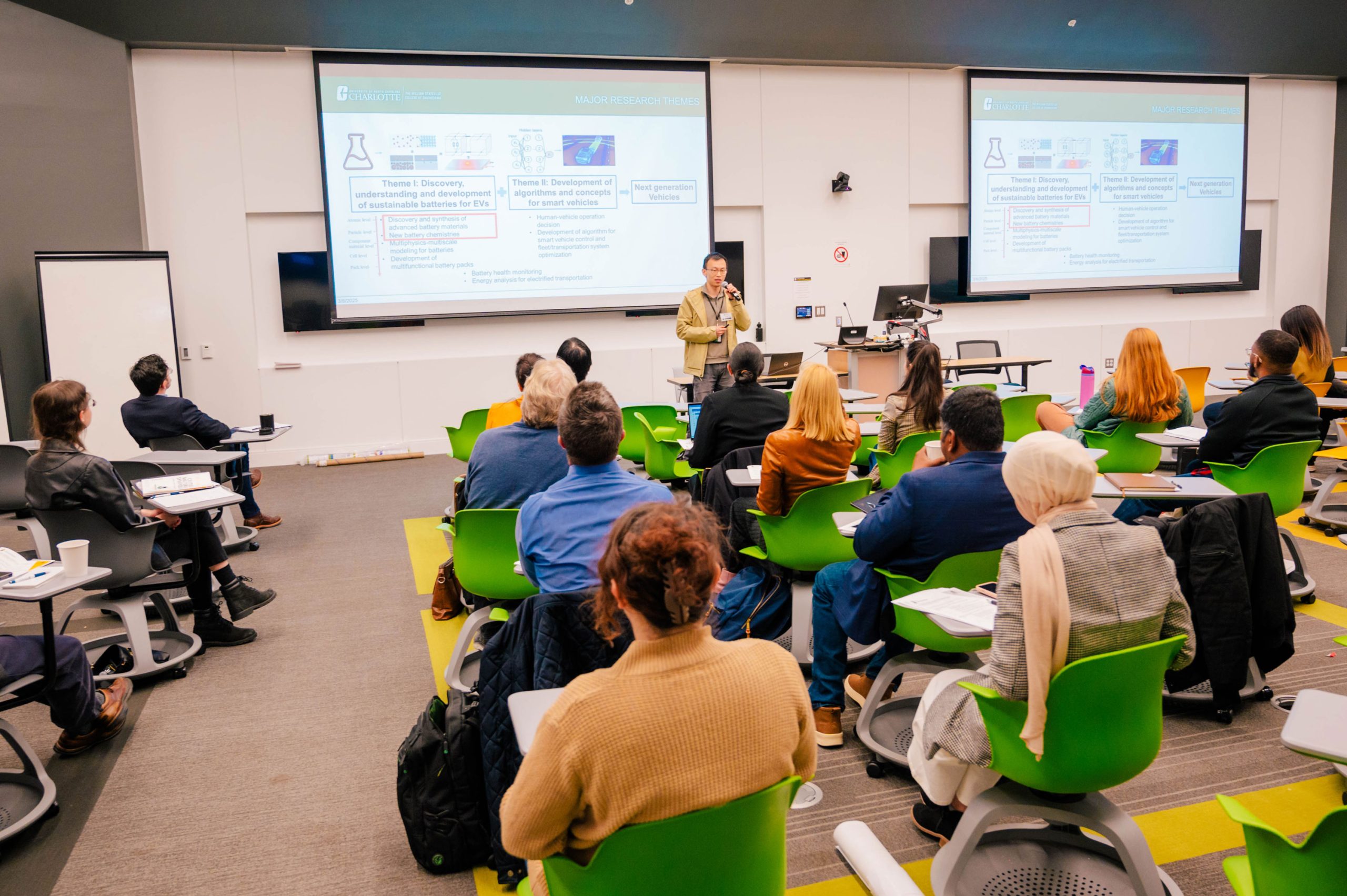
This high resolution enables researchers at BRIGHT to study the interactions between nano materials and microorganisms. Insights into how nature functions could lead to new ways to build batteries and electronics based on biological structures and processes.
Dr. Robson Grosso, a nanoscientist with industry experience, is senior scientist at BRIGHT and runs Rathnayake’s lab. He also builds battery cathodes, conducts research, and trains other researchers, including students.
Grosso is working to improve the fundamental properties of batteries, finding ways to design them so they’ll last longer and be safer and more stable. Better batteries are also likely to accelerate EV adoption, he says.
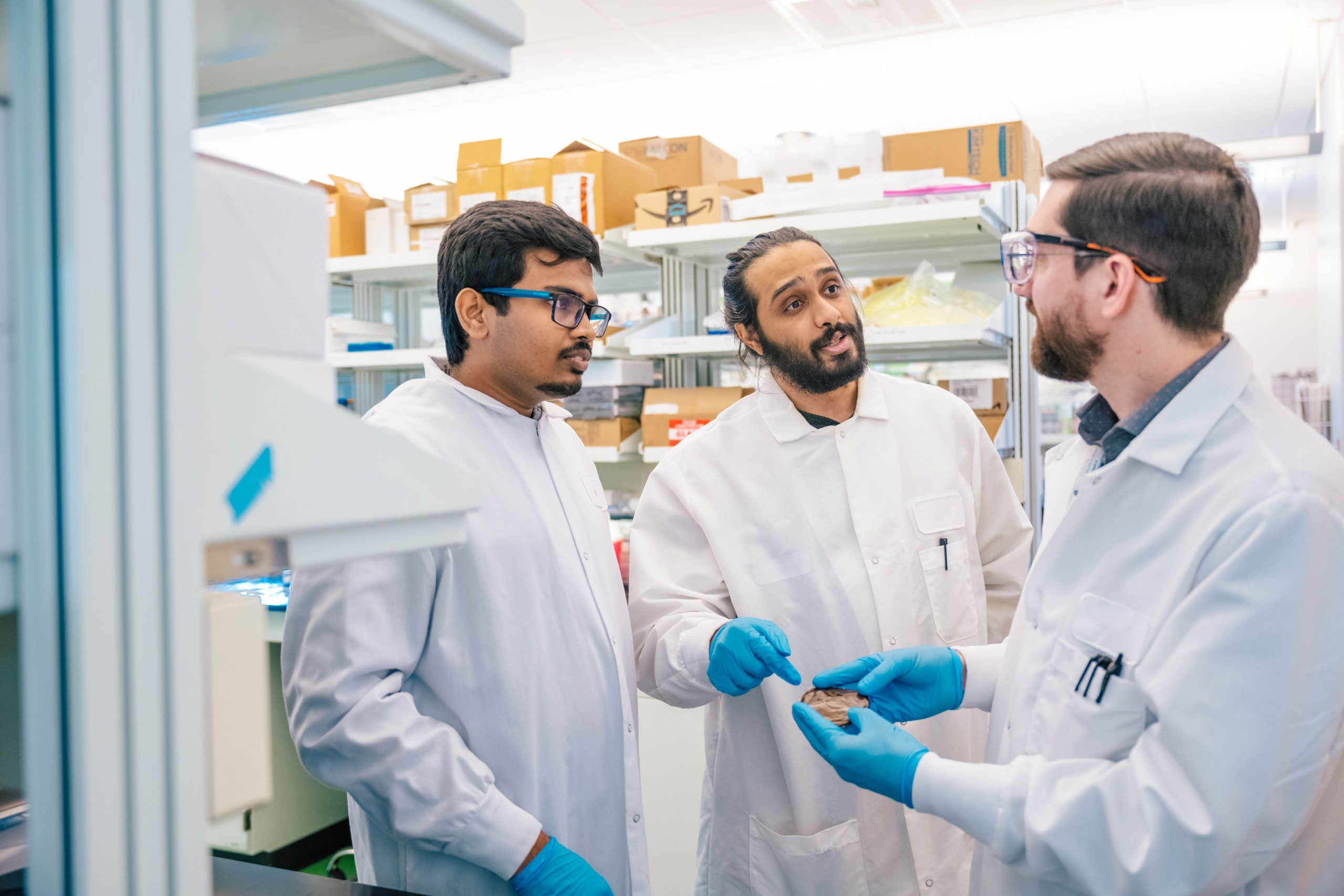
“We have so many companies, but we don’t yet have enough people with battery expertise here,” says Grosso. “The institute is needed.”
Dr. Selima Sultana, professor and associate head of the Department of Geography, Environment, and Sustainability, examines the role of EV technologies from the perspective of an urban and transportation researcher.
“Urban and transport planners will need to focus on issues such as accessibility of public EV chargers, current obstacles and prospects in deploying public EV charging infrastructure, and the needs and preferences for public EV chargers in different locations,” she says. “In addition, they must consider equity and fairness issues associated with public EV charging infrastructure.”
Sultana says planners will need to forecast mass-scale EV adoption and its impact on urban growth and planning. For example, how much parking will be needed around charging infrastructure?
And she anticipates needing to understand how widespread EV adoption will influence travel behavior and the overall transportation system. Could traffic patterns and congestion levels change as more people drive electric vehicles, choose different routes, or make different choices about using public transit?

Sultana and grad student Greg Carlton at Greensboro’s Galyon Depot transportation center.
Meanwhile, Dr. Stephen Holland, a professor of economics, analyzes carbon dioxide emissions of EVs. EVs don’t directly emit CO2 from tailpipes like gasoline-powered vehicles do. However, they can indirectly contribute to overall CO2 emissions if fossil fuels are used to generate electricity for recharging their batteries.
In the past, when 70 percent of U.S. electrical power was generated by burning coal or natural gas, Holland found there weren’t short-term benefits from using EVs.
But as new forms of power generation, such as solar and wind, have come online in California, for example, and more people have bought EVs, he’s found lower levels of CO2 emissions from EV use compared to gas-powered vehicles.
Holland is also examining the economics of electrical energy storage for industry, such as large data centers that may generate some or all of their electricity from nearby wind or solar sources.
The diverse but relevant range of expertise at UNCG – in technological innovation, social sciences, business and social innovation, and workforce development and social mobility – is what sparked the idea for the institute for UNCG’s new vice chancellor for research and engagement.
“We are well-positioned to do this transformative work,” says Obare.

Division of Research & Engagement
UNC Greensboro
1601 MHRA Building
1111 Spring Garden Street
Greensboro, NC 27412