

Shields Up!
UNCG Cybersecurity clinic outpaces first-year expectations
Excitement was high when UNCG’s Spartan Cyber Guardian Academy opened in January 2025 with a $1 million grant from Google. Since then, the numbers of students seeking cybersecurity training, and organizations seeking their services, have already exceeded clinic leaders’ expectations.
UNCG’s cybersecurity clinic is the first at a North Carolina university.
With funding and wraparound support from Google, the academy uses a service-learning clinic model to provide free, hands-on experience in industry-standard cybersecurity frameworks and auditing.
Clinic clients are regional organizations, such as small businesses and nonprofit organizations, that lack resources for comprehensive cybersecurity threat analysis and protection.
The academy aims to strengthen the region’s cybersecurity landscape while training the next generation of cybersecurity professionals.
“The goal we set with Google was to serve 16 clients total during the 2025 spring and fall semesters,” said clinic director Dr. Moez Farokhnia Hamedani, an assistant professor of information systems in the Bryan School of Business and Economics. “But we received many more applications from organizations and served 13 nonprofits in the spring alone.”
Story highlights
UNCG’s new Google-funded cybersecurity clinic has nearly met its first year goal – in just one semester.
Career accelerator
Similarly, from the 60 students who applied to participate in spring 2025, the academy trained 46, surpassing its goal of 40.
The students work in 3-5 member teams with a faculty mentor or industry professional to audit an organization’s cybersecurity status and level of readiness. Then, they make actionable recommendations on how to reduce the organization’s vulnerability and better protect it against potential threats.
In two cases, Farokhnia Hamedani says, organizations have been so impressed, they interviewed students for part-time paid internships to implement the recommendations. Several students had such good experiences that they asked for the opportunity to participate again.
In addition to gaining invaluable experience with real-world clients, students receive comprehensive cybersecurity training.
This includes MIT’s Cybersecurity for Critical Urban Infrastructure course, Google Cybersecurity Certification, and a series of customized training sessions for cybersecurity assessments based on based on the National Institute for Standards and Technology’s NICE Framework.
Students also have the opportunity to connect with other trainees and trainers within the Consortium of Cybersecurity Clinics, which includes 39 academic and industry institutions. Upon completion of the clinic project, students are eligible for a voucher for the Security+ certification exam or comparable certifications, such as Network+, which cost $404 and $358, respectively. The opportunity to earn industry-recognized certifications significantly enhances their employability.
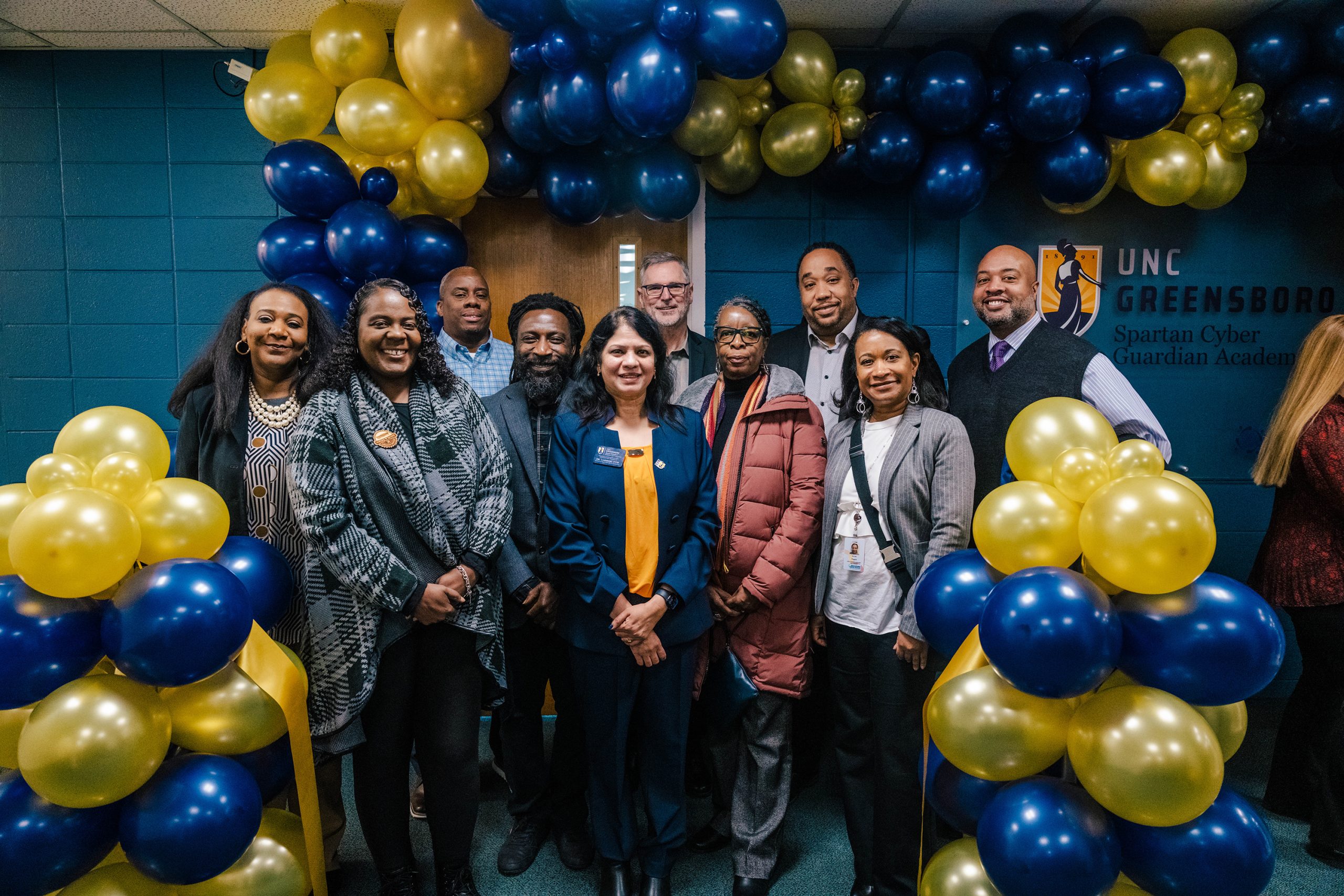


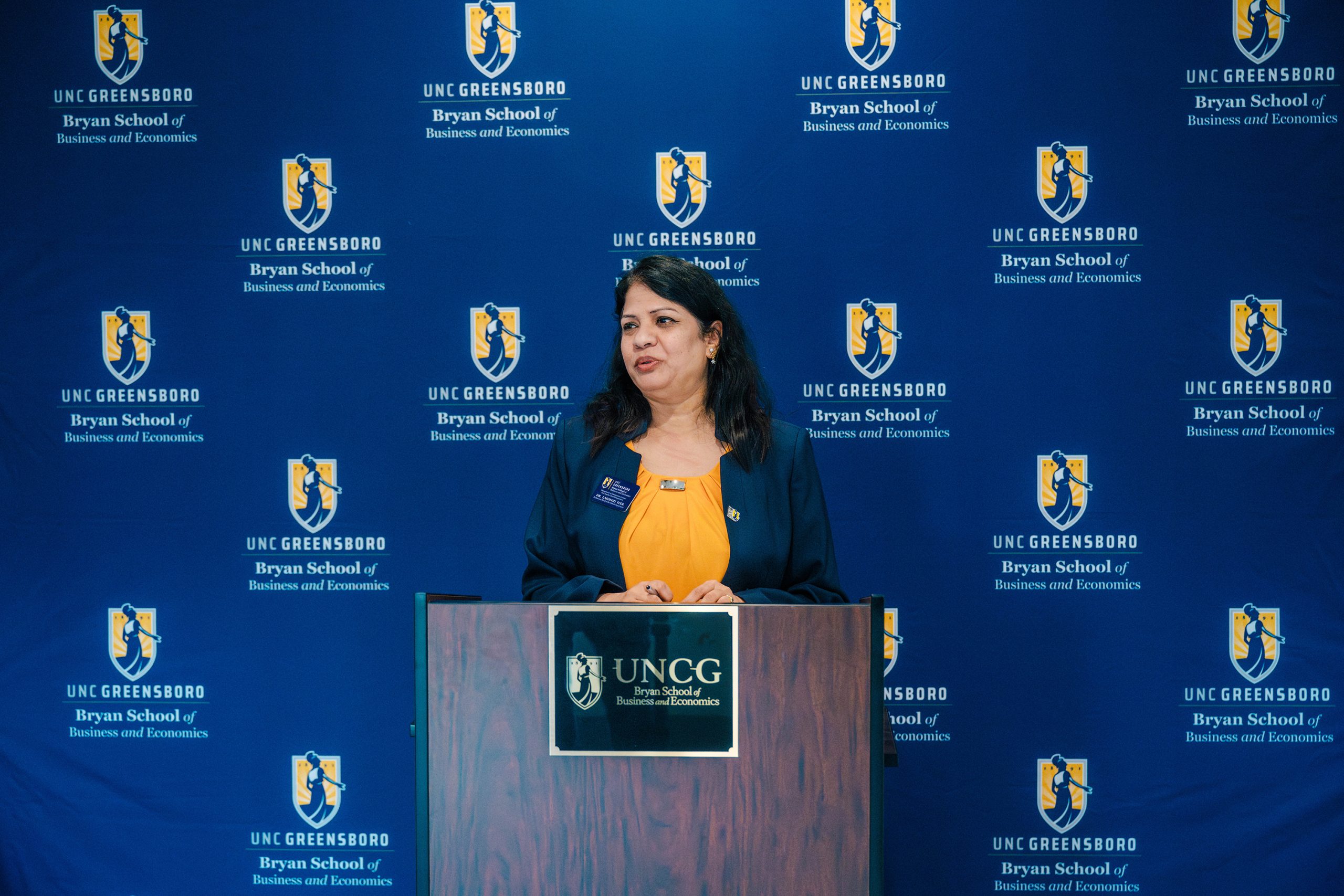
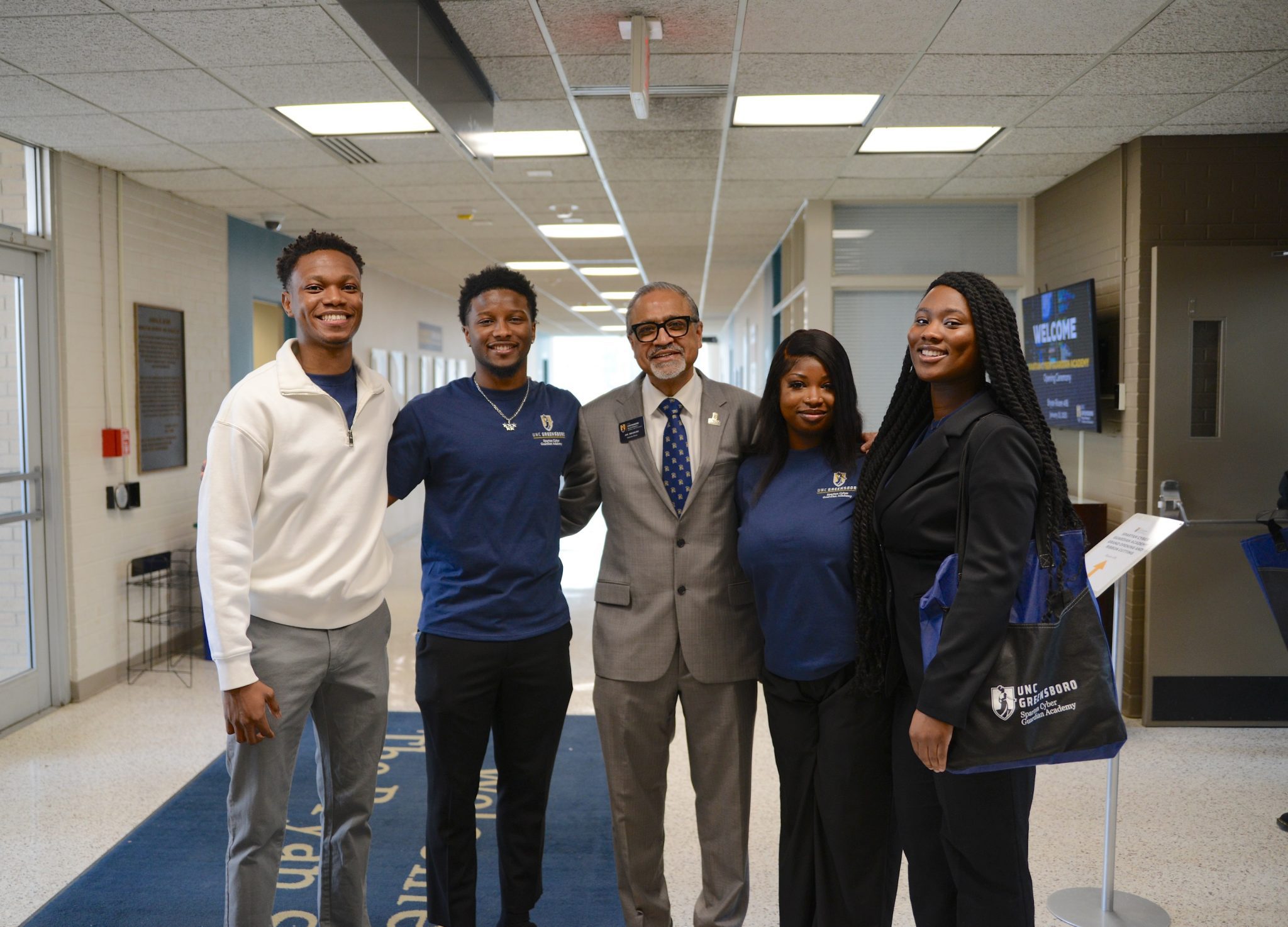
Community partners, students, faculty, and administrative leaders gathered for the Spartan Cyber Guardian Academy ribbon cutting on January 23, 2025. The Academy aims to train over 870 individuals over the next six years and work with 174 nonprofits and businesses.
For Community Good
Dr. Lakshmi Iyer, professor of information systems and department head, believes the keen interest is driven by need and the academy leadership team’s work to build trust.
She, along with Farokhnia Hamedani and associate professor of information systems Dr. A.F. Salam, are co-principal investigators for the Google grant.
Iyer and Farokhnia Hamedani have previously published research on how employee turnover can increase the risk of data breaches. Now, they will collect evaluation data from cybersecurity clinic students and clients to add to their growing body of cybersecurity research and improve the program in real time.
“Nonprofits and small-and-medium businesses are the primary focus of this service because they lack staff resources and expertise to address heightened cybersecurity concerns as they concentrate on their core missions,” Iyer says.
“Yet, these small organizations are among the most vulnerable should they lose membership or donor lists to a security breach.”
Story by Elizabeth Witherspoon
Major photography by Sean Norona

Division of Research & Engagement
UNC Greensboro
1601 MHRA Building
1111 Spring Garden Street
Greensboro, NC 27412