

Unexplored Scientific Territory
Oberlies’ field of natural products chemistry historically focused on plants.
But plants come with challenges. Field expeditions to gather samples are time-consuming and expensive. Getting specimens back to a U.S. lab from other countries can be tricky. And growing plants takes resources – water, soil, greenhouses, and months of time as seeds or cuttings grow big enough for lab analysis.
Oberlies still works with plants. But he’s expanded his work to focus also on fungi – a scientific treasure chest full of novel, undiscovered chemistry that could help protect the environment and treat disease.
“In my lab, we are experts in isolating individual compounds from the mixtures of compounds that a plant or fungus produces,” he says. “Once we have those bioactive substances in a pure form, we carry out a multitude of experiments to figure out how the molecule is put together.”
The opportunities to discover new and potentially useful compounds from fungi are staggering. An estimated 90% of fungal species – millions – are undiscovered.
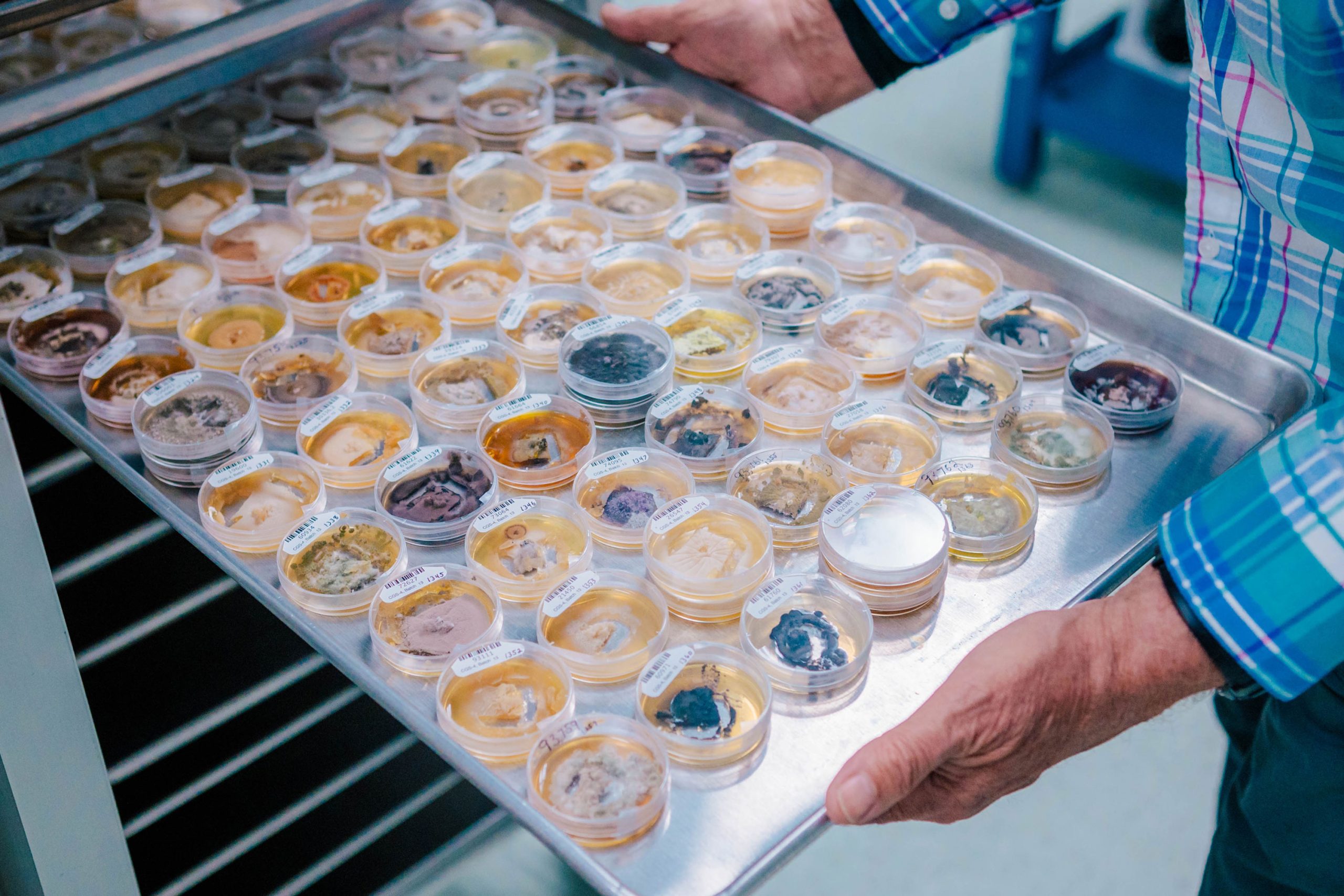
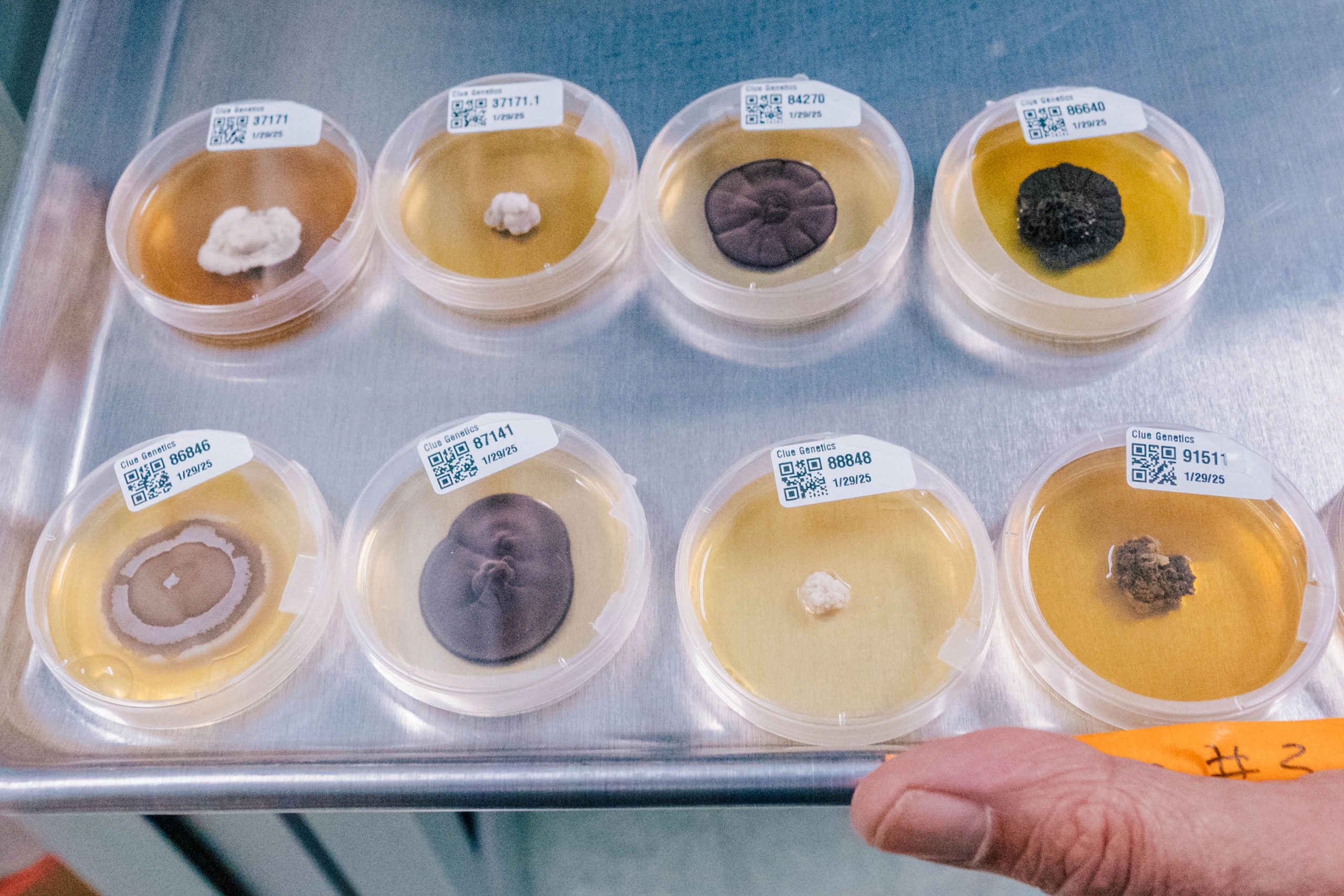
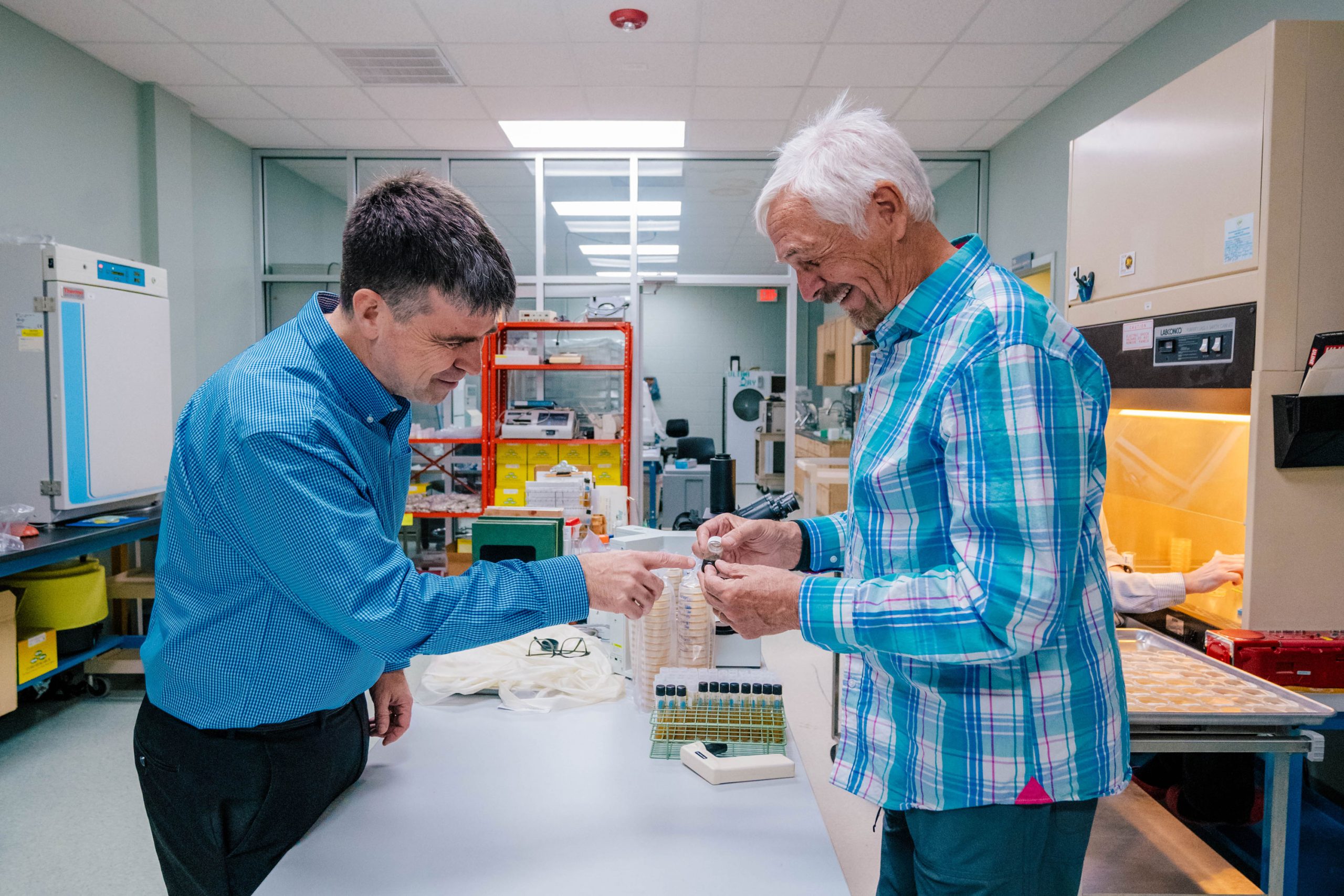
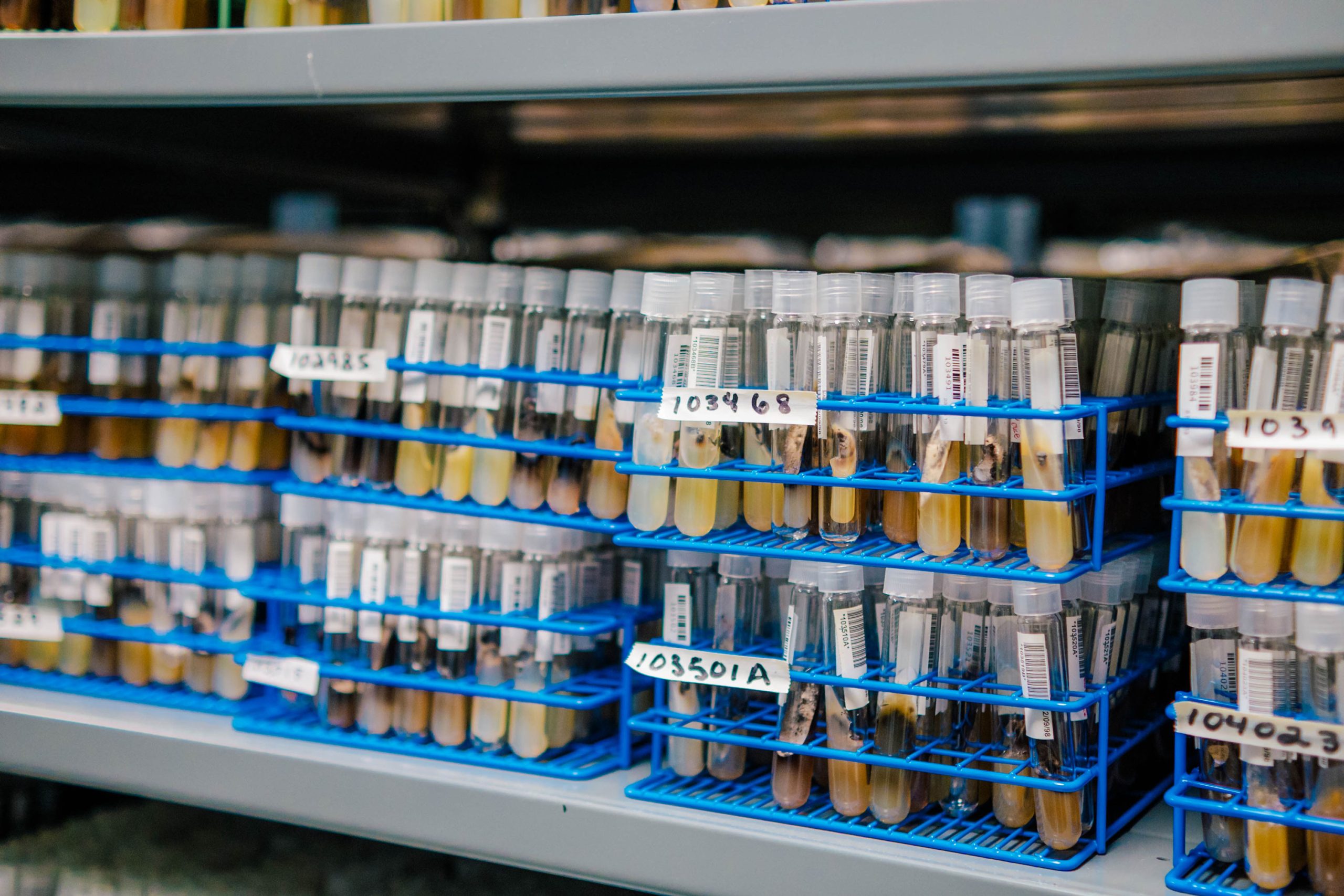
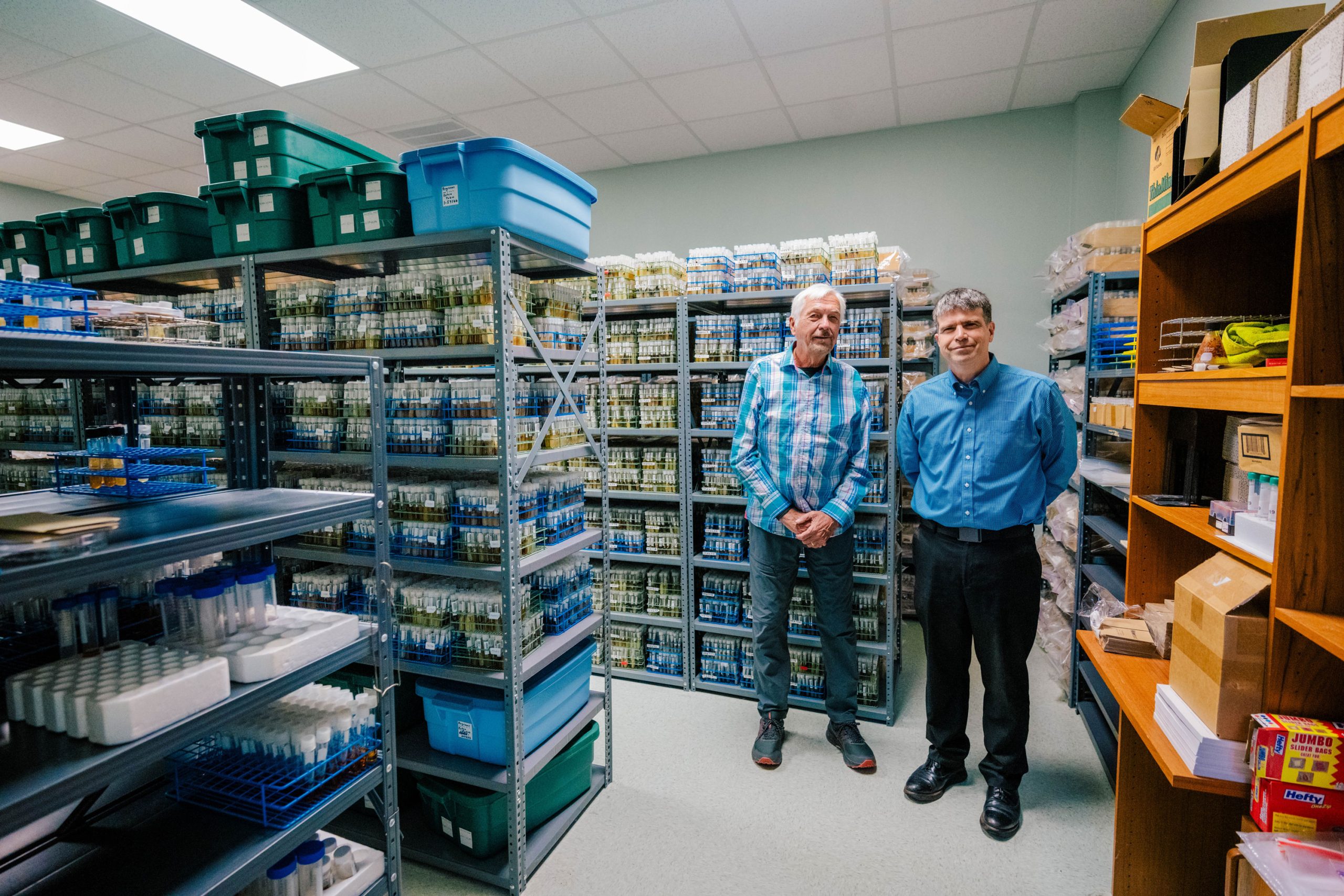
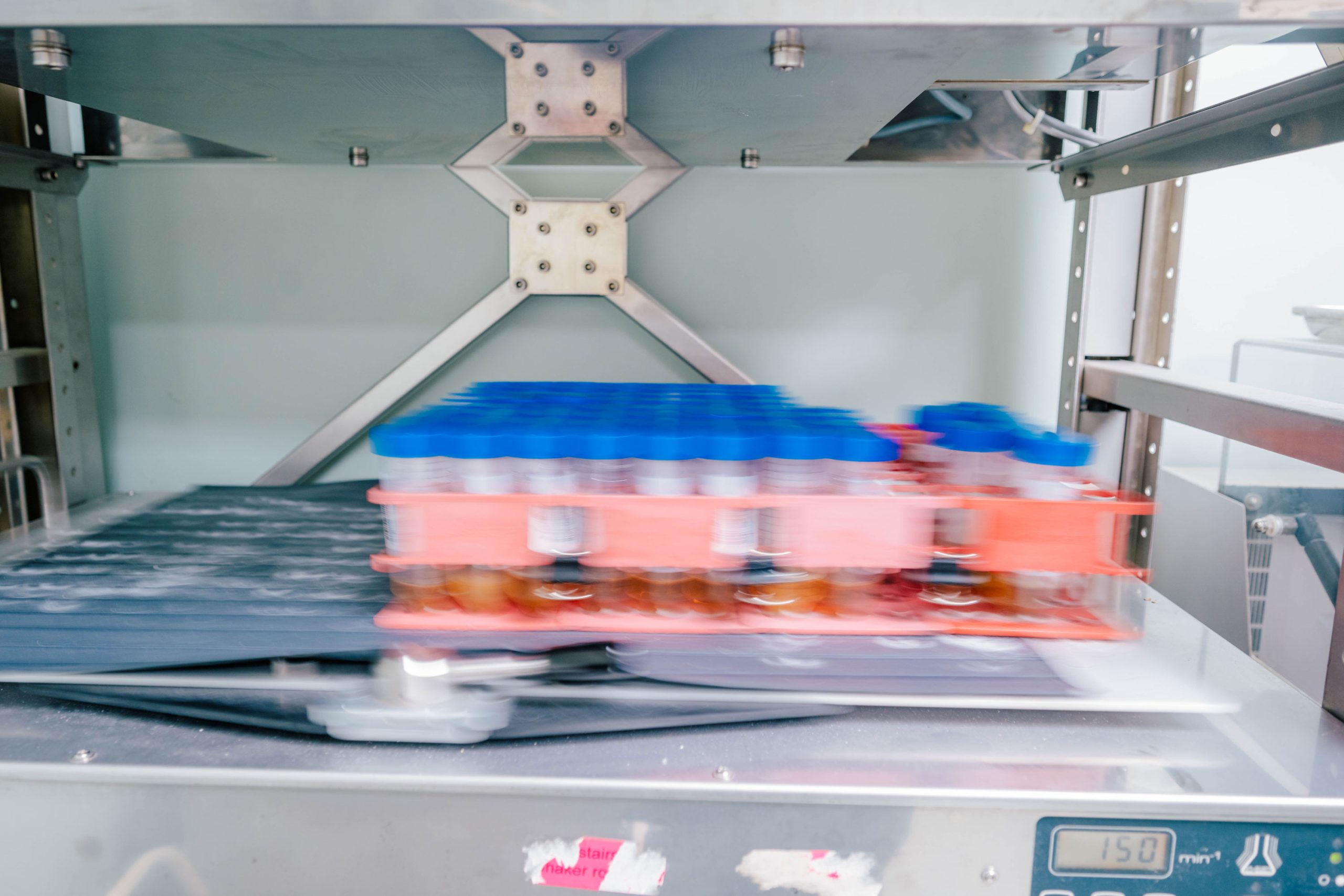
The Oberlies lab collaborates with Mycosynthetix in Hillsborough, a company that has catalogued over 50,000 species of fungi for use by university and industry scientists. Founder Cedric Pearce is a UNCG adjunct chemistry professor and Coleman Foundation Entrepreneurship Fellow. Oberlies is on the company’s scientific advisory board.
Dr. Huzefa Raja, who has worked in Oberlies’ lab since 2011 and leads the mycology or fungal biology side of the operation, says, “We discover new species all the time.” He estimates they have screened over 10,000 strains on their quest. “We find a new fungus. And it often makes new chemistry.”
Fungi are everywhere in the natural world – in the soil, in fresh and saltwater, in environments of every type. They play a critical role in breaking down organic matter, such as dead wood and leaves, and returning those nutrients to the environment.
“I love mycology because of the diversity of the organisms,” Raja says. “It’s beautiful.”
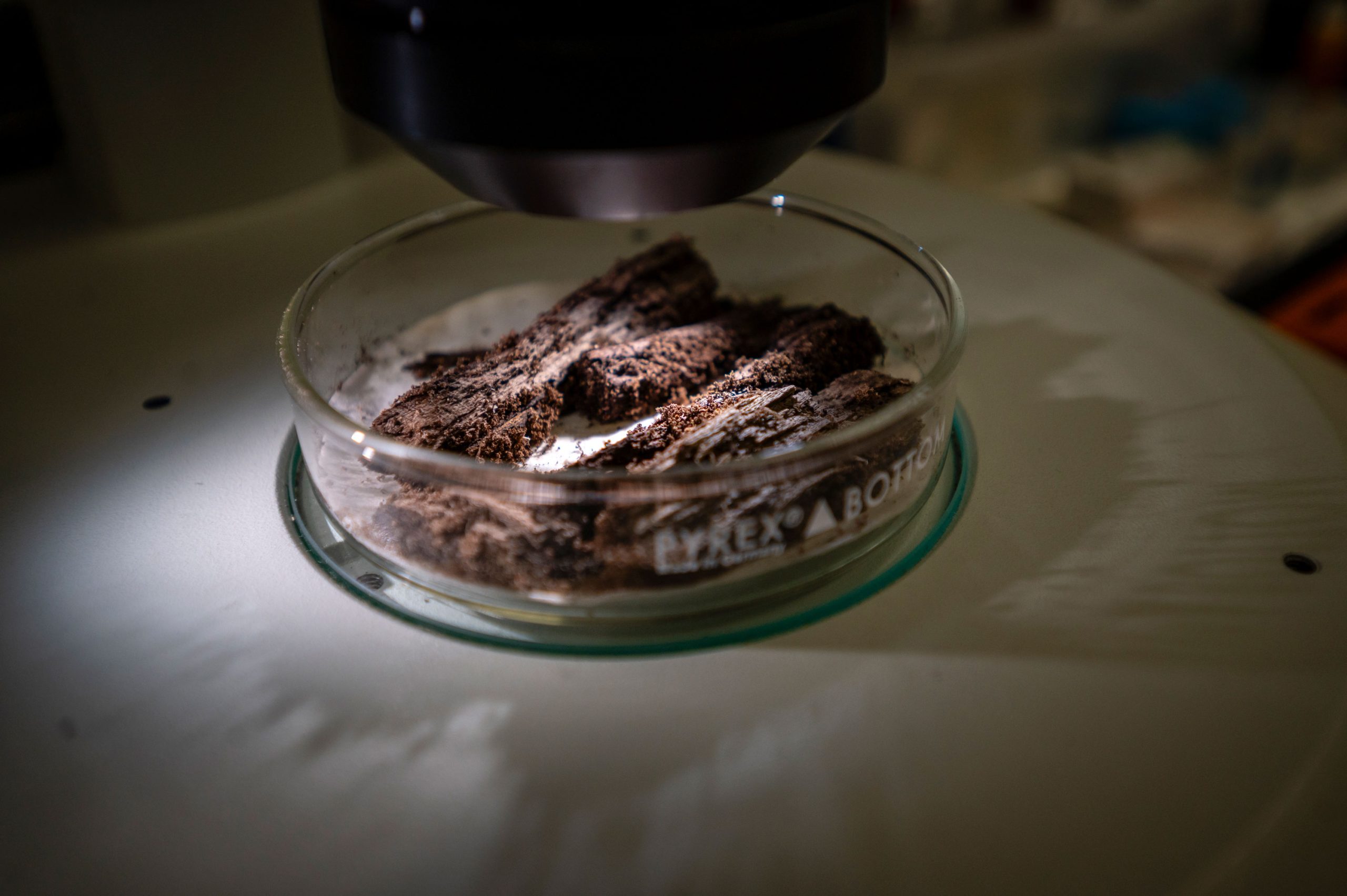
Raja’s domain is filled with Petri dishes full of fungi. Some were sourced nearby, such as on campus, and some far away, like one from a California beach.
Each species of fungus is an opportunity to discover new compounds with the potential to make life better for people.
Searching for new drugs


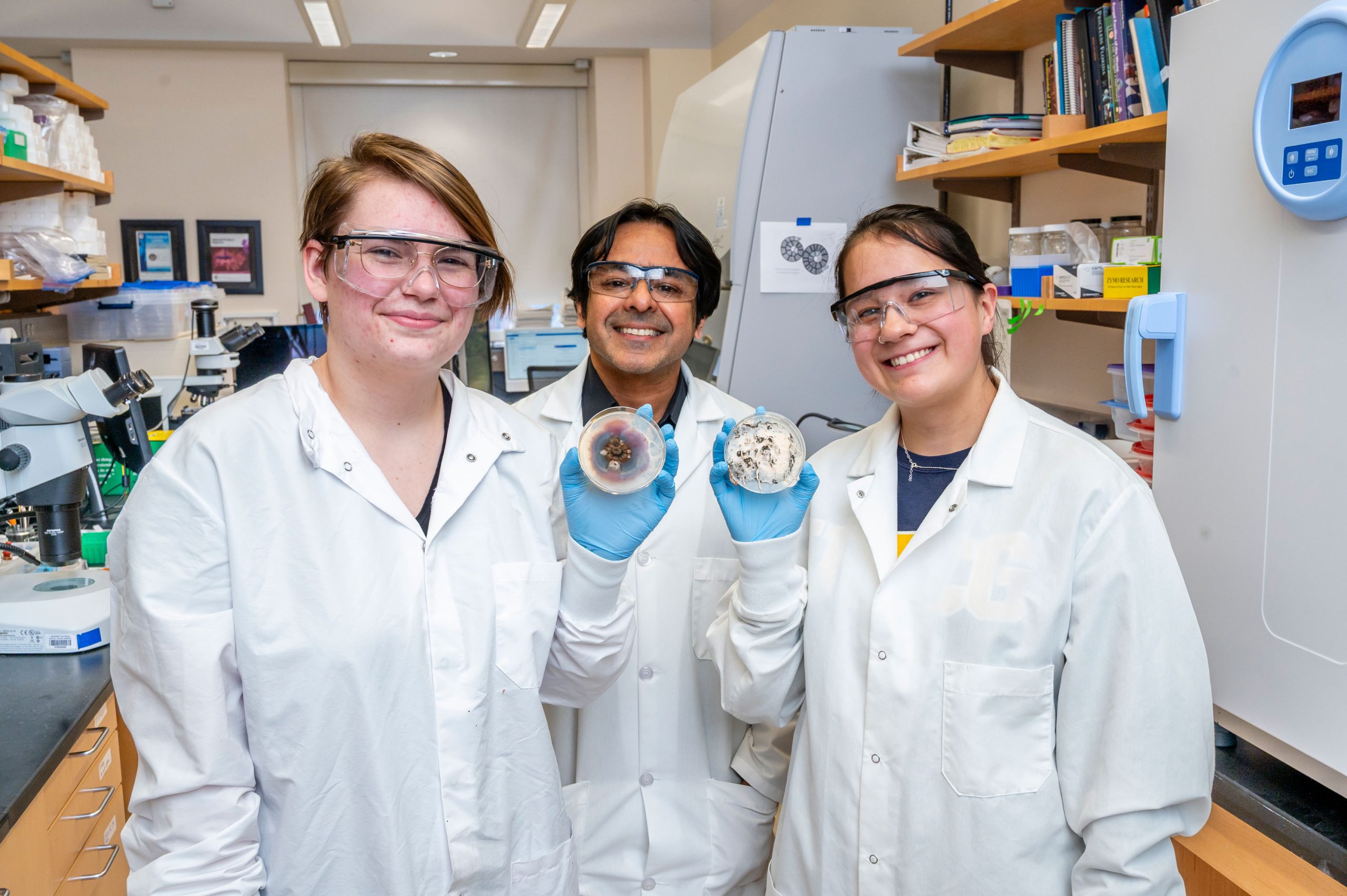
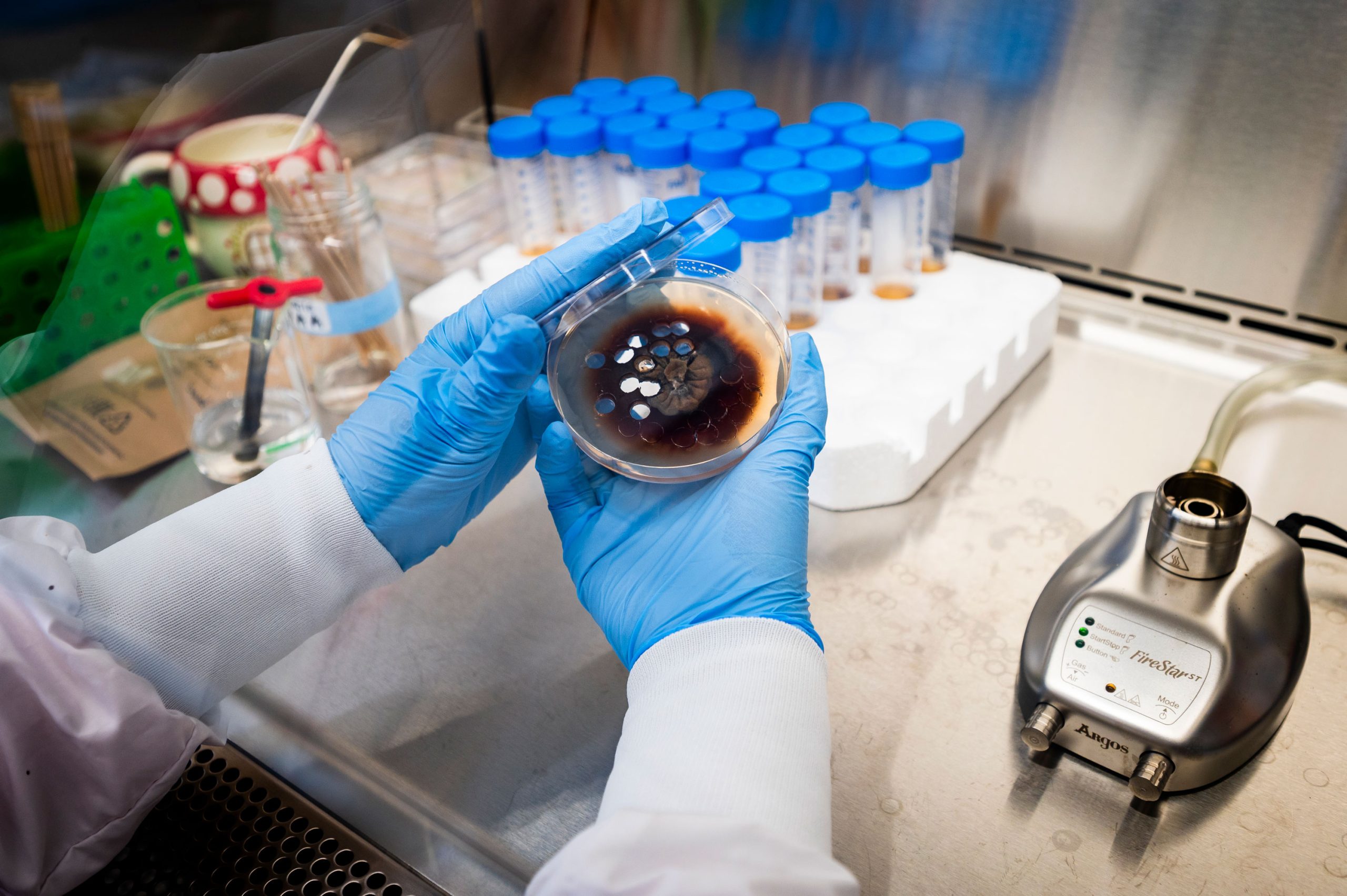
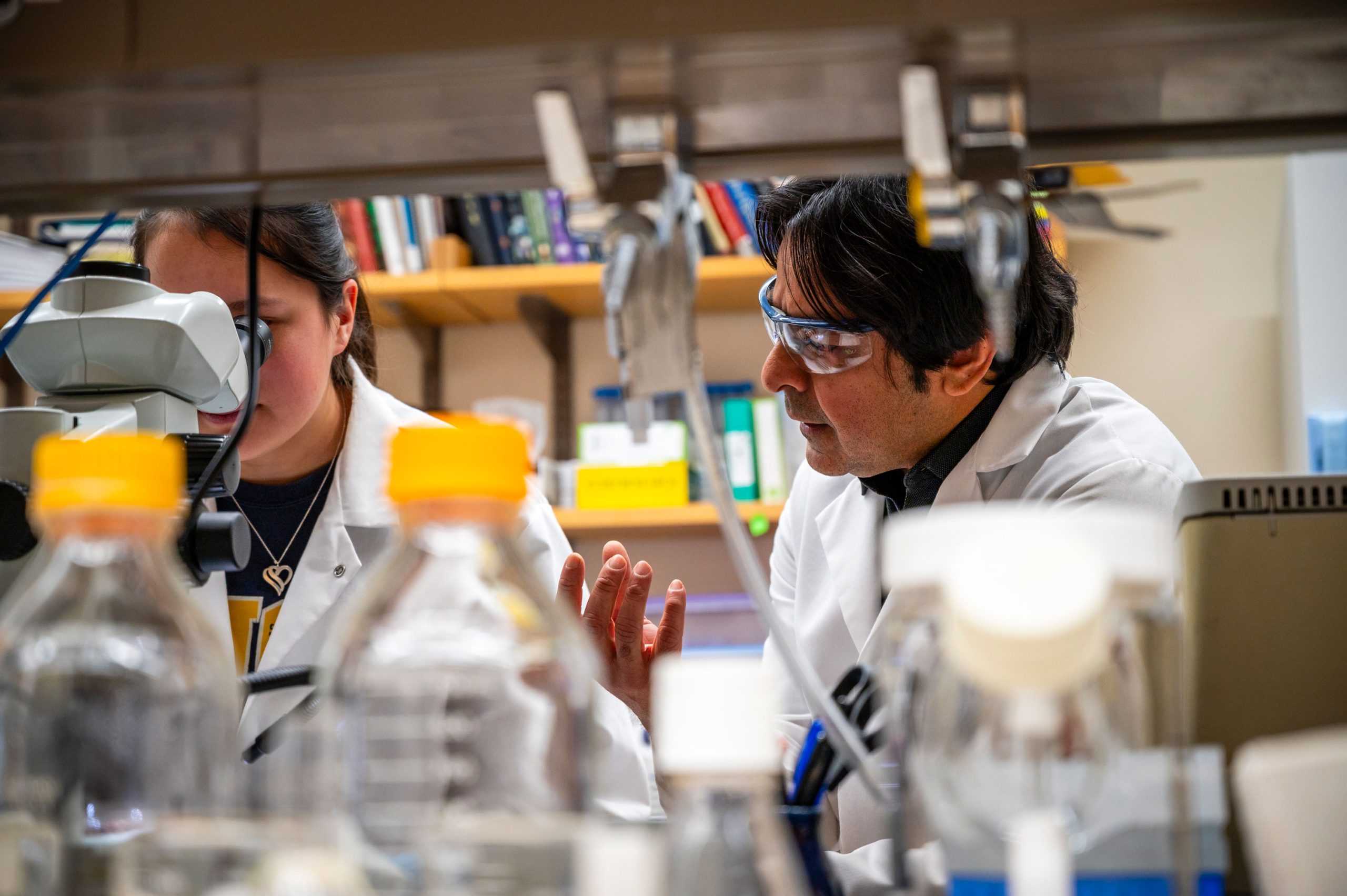

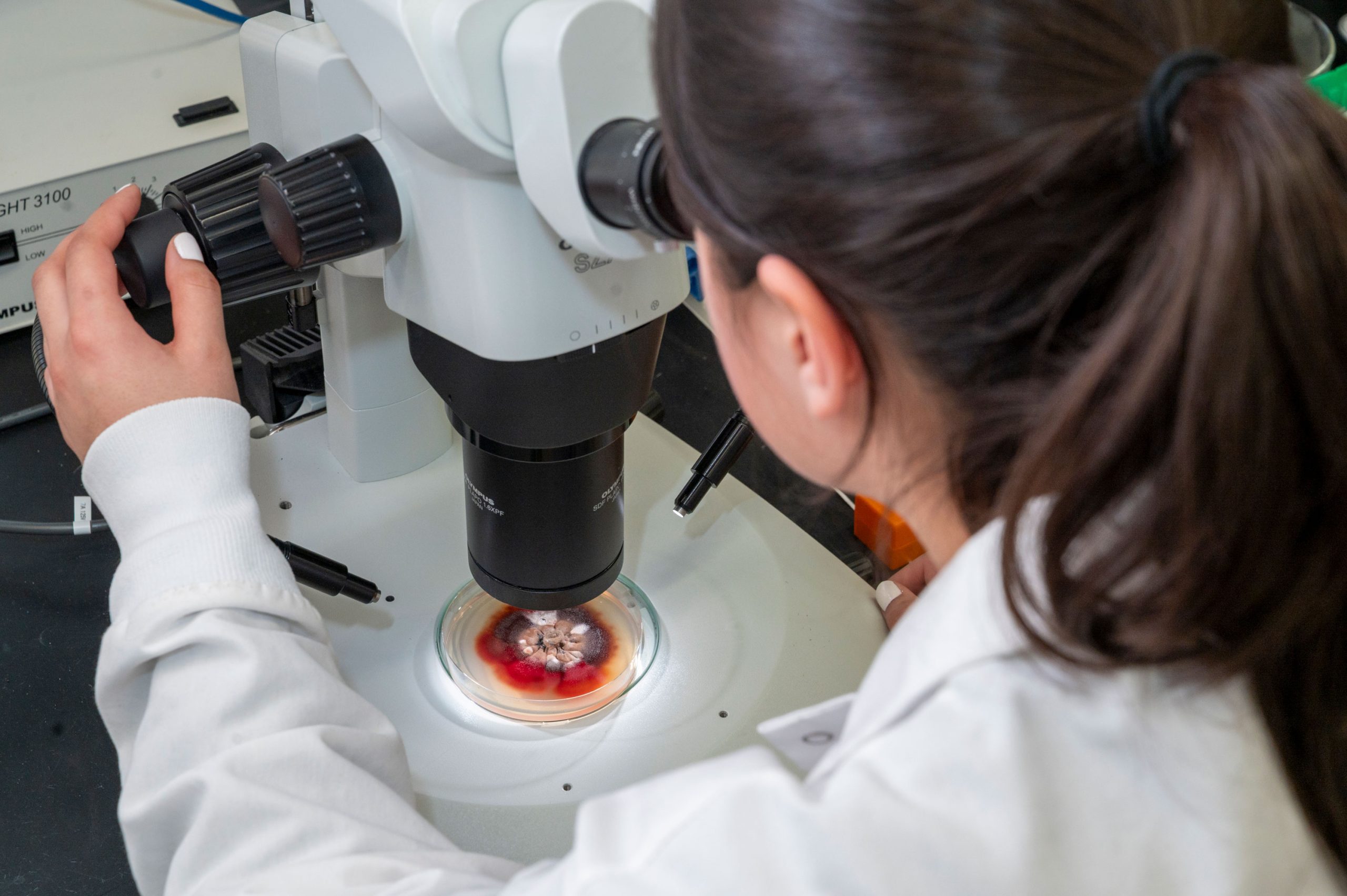
Raja and undergraduate researchers April Joseph and Caitlyn Costello work in the Oberlies Research Group mycology lab.
Herbal Supplements Under the Scope
From supplement stores to gas stations, many herbal products are sold with the implication they can improve your health or address illness. There’s often little scientific backing for those claims.
Before scientists can assess whether an herbal remedy is effective, they must know what’s actually in it. That’s where Oberlies and Dr. Nadja Cech, a UNCG natural products chemistry professor, come in.
“Herbal remedies are a mixture. Sometimes they’re a mixture of five or six compounds, sometimes they’re a mixture of dozens of compounds,” Oberlies says. “If you’re going to study Herb X, I want to make sure that you actually know what the herb is.”
For the last decade, Oberlies and Cech have analyzed popular herbal products, including green tea, milk thistle, cinnamon, CBD, and kratom.
Kratom, for example, has been used in Southeast Asia, where the tree grows natively, since at least the 19th century to treat pain and other ailments.
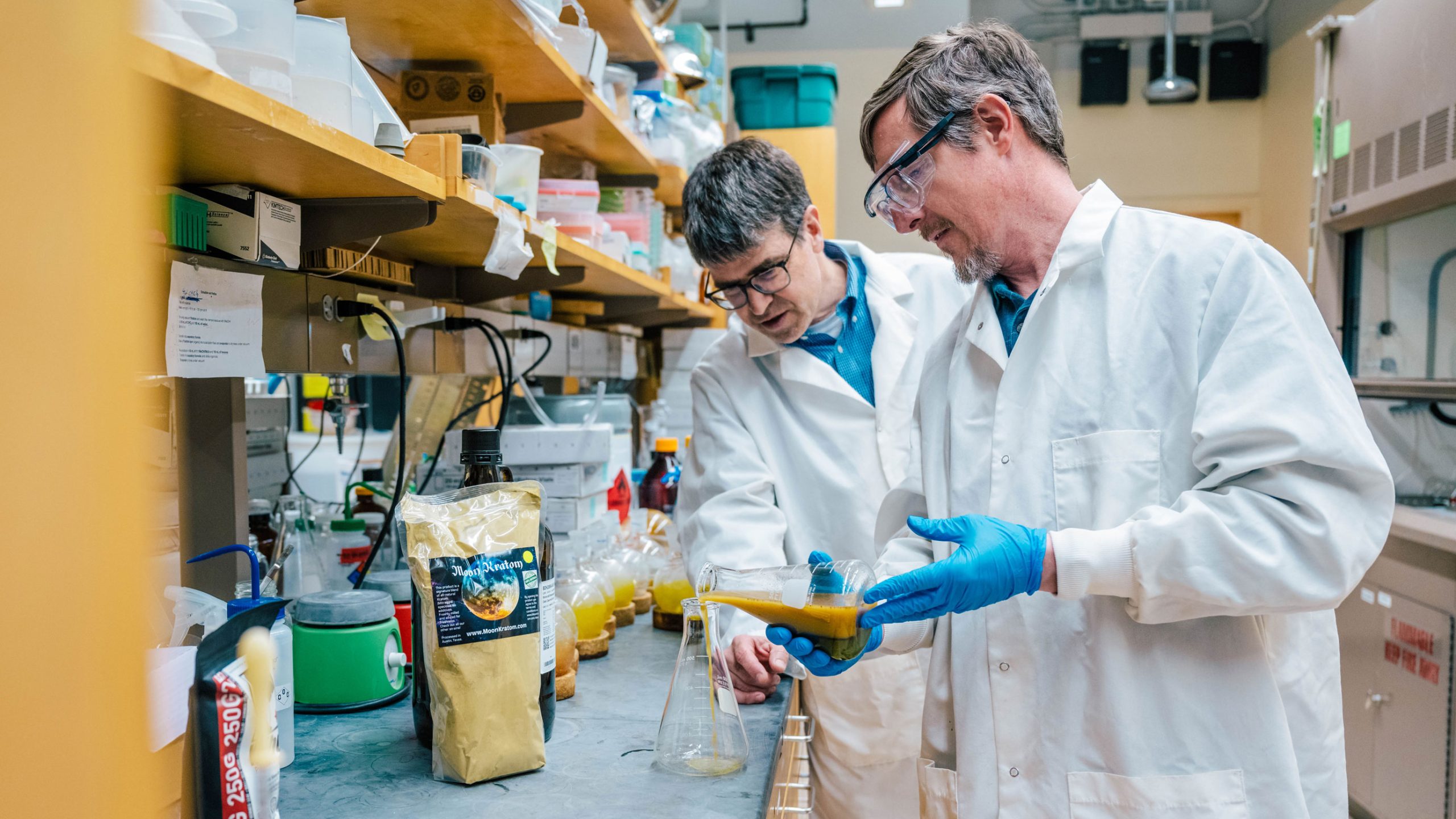

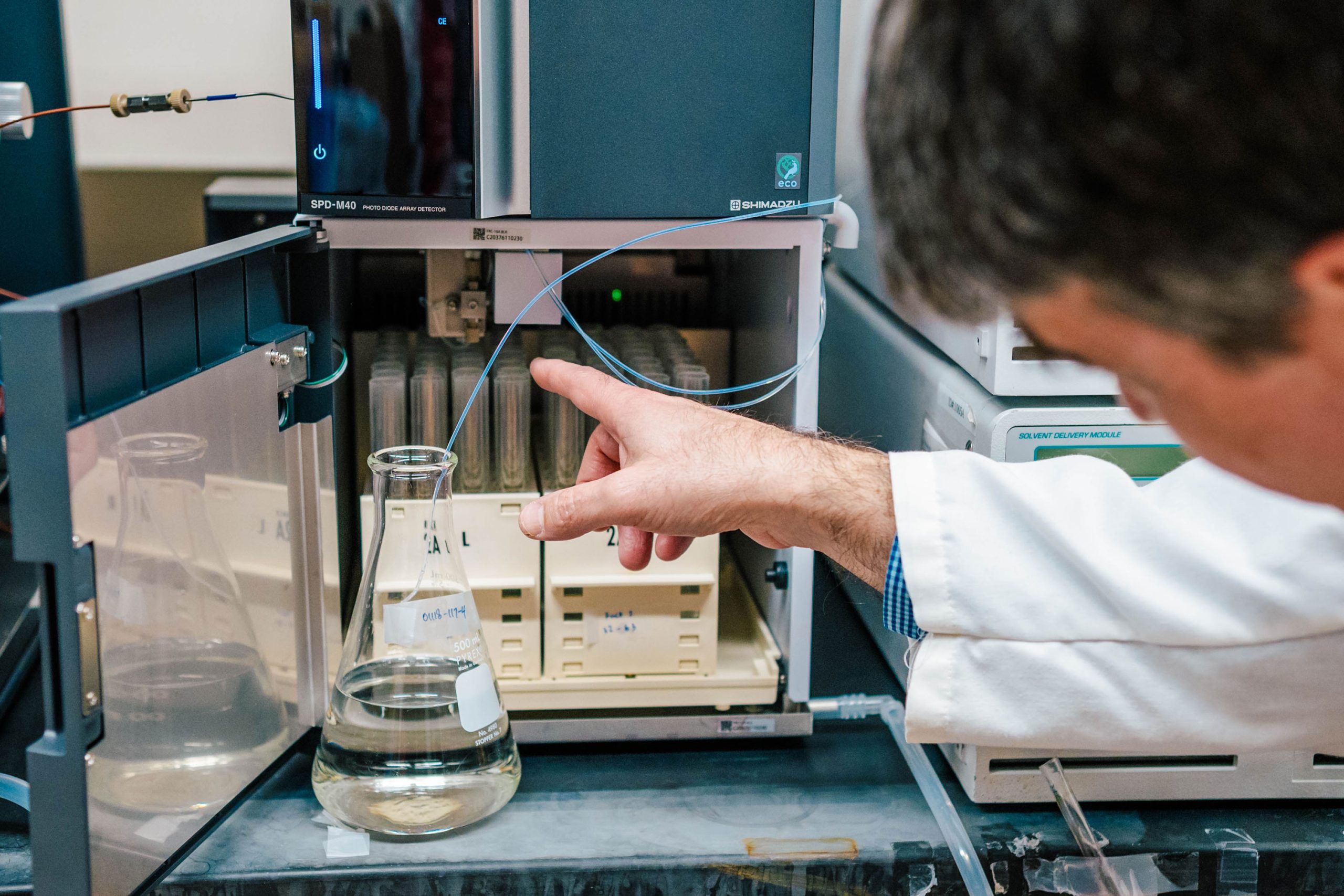
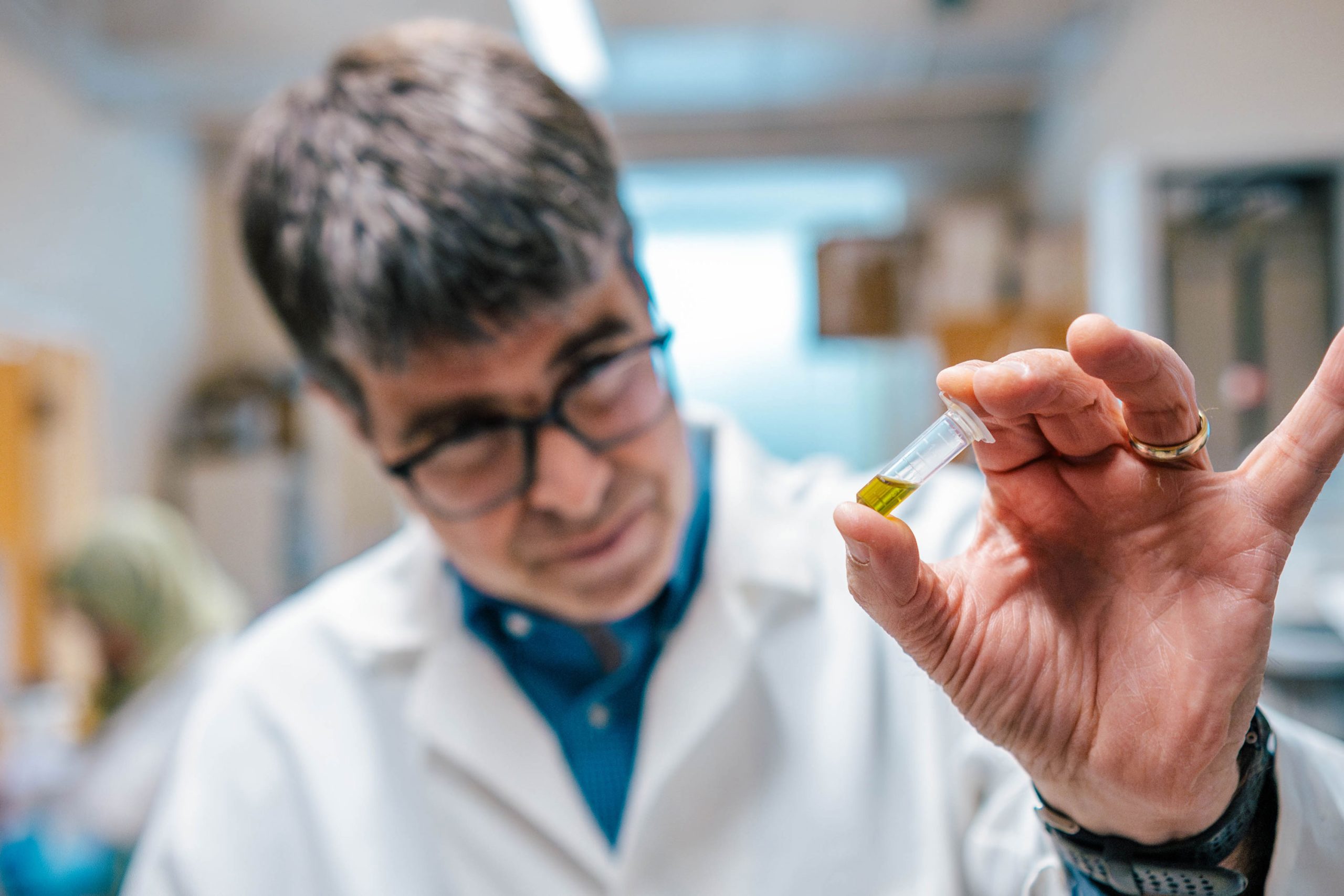
Tyler Graf leads the lab work on kratom, preparing materials, evaluating the chemical complexity of the samples, and sharing samples and data with collaborators around the country.
Energy for the Environment
The latest initiative that has grown out of Oberlies’ lab started with a chance question by another professor in a departmental meeting.
A few years ago, Oberlies’ doctoral student Zeinab Al Subeh made a presentation to the faculty – a part of the graduate student training process in the Department of Chemistry and Biochemistry. They nurture rich scientific discussions that can blossom into new discoveries.
Dr. Shabnam Hematian asked the student about the “redox potential” of the fungal-derived compounds she was studying. Al Subeh didn’t know the answer – it relates to how efficiently the compound moves electrons around. However, she took the opportunity to explore the subject with one of Hematian’s electrochemistry-focused graduate students.
That started a collaboration to explore the potential of fungal chemistry in applications related to the generation, storage, and transmission of electricity. The collaboration has now bloomed into a rich, cross-university, cross-disciplinary research initiative called NICER – Nature Inspired Collaborative Energy Research.
The highly collaborative effort was kickstarted by a $1.5 million Research Opportunities Initiative – ROI – grant from the N.C. General Assembly. It’s now led by Oberlies and UNCG’s Dr. Minjeong Kim, assistant professor and associate head of computer science.
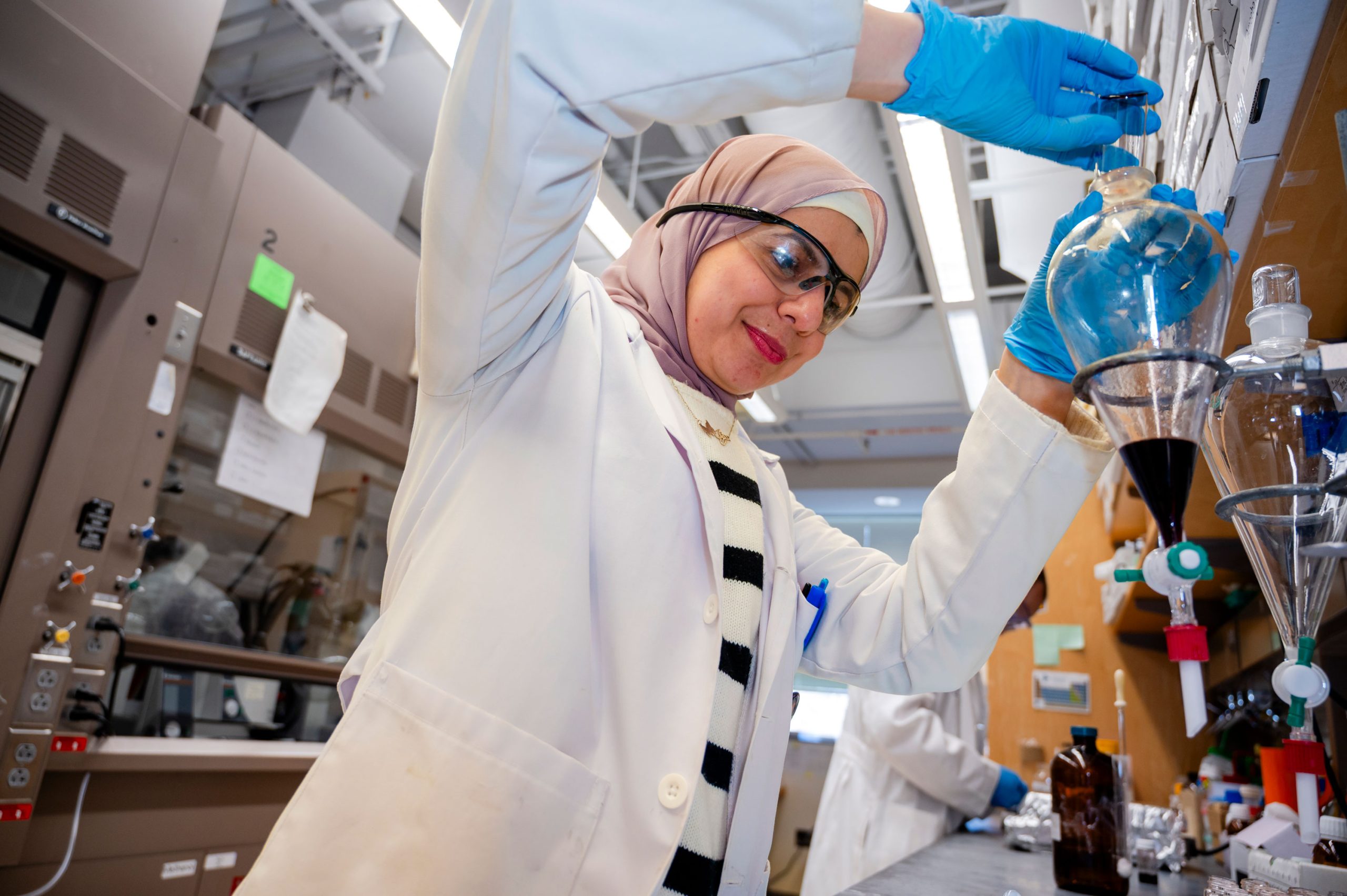
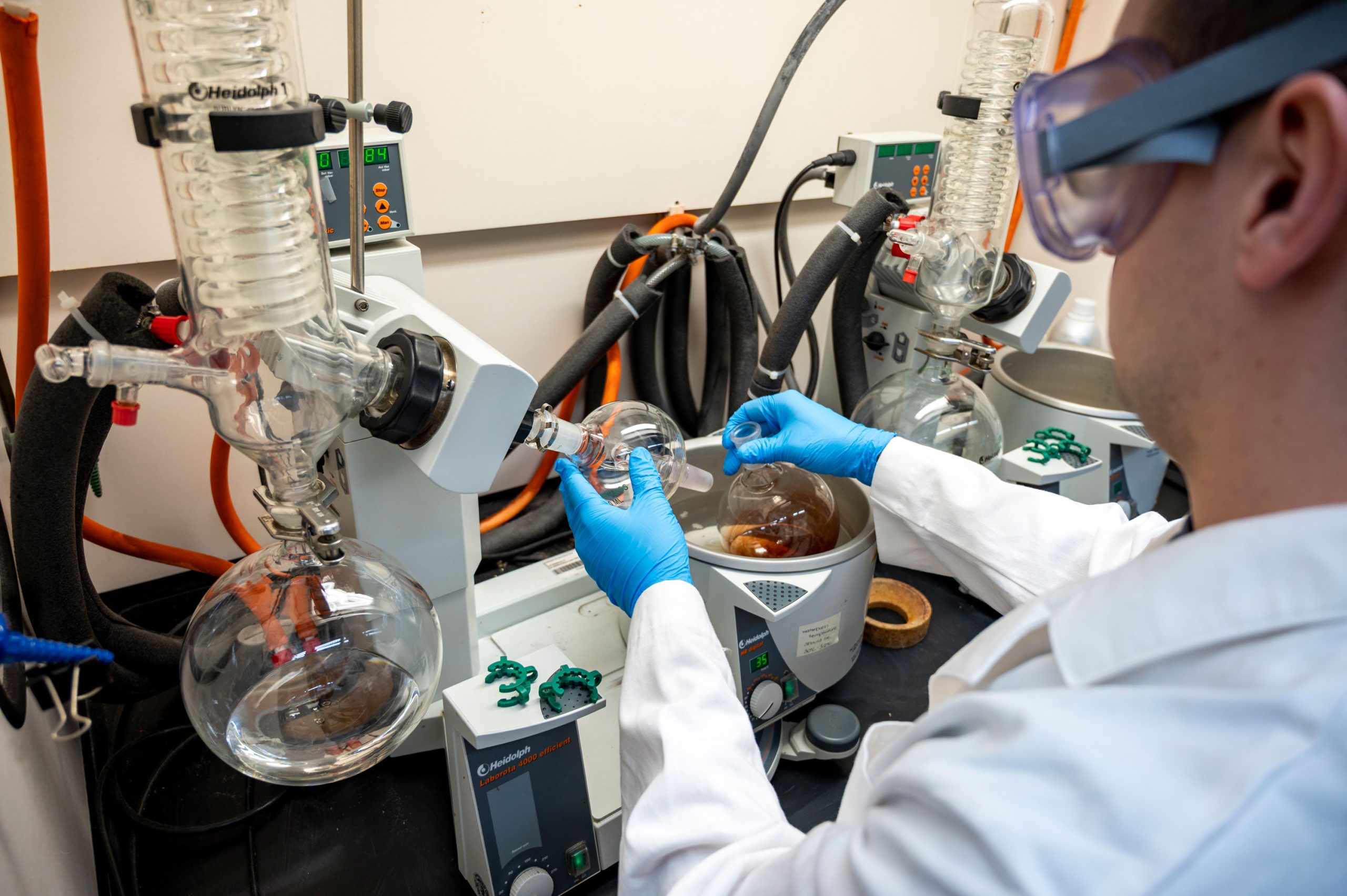

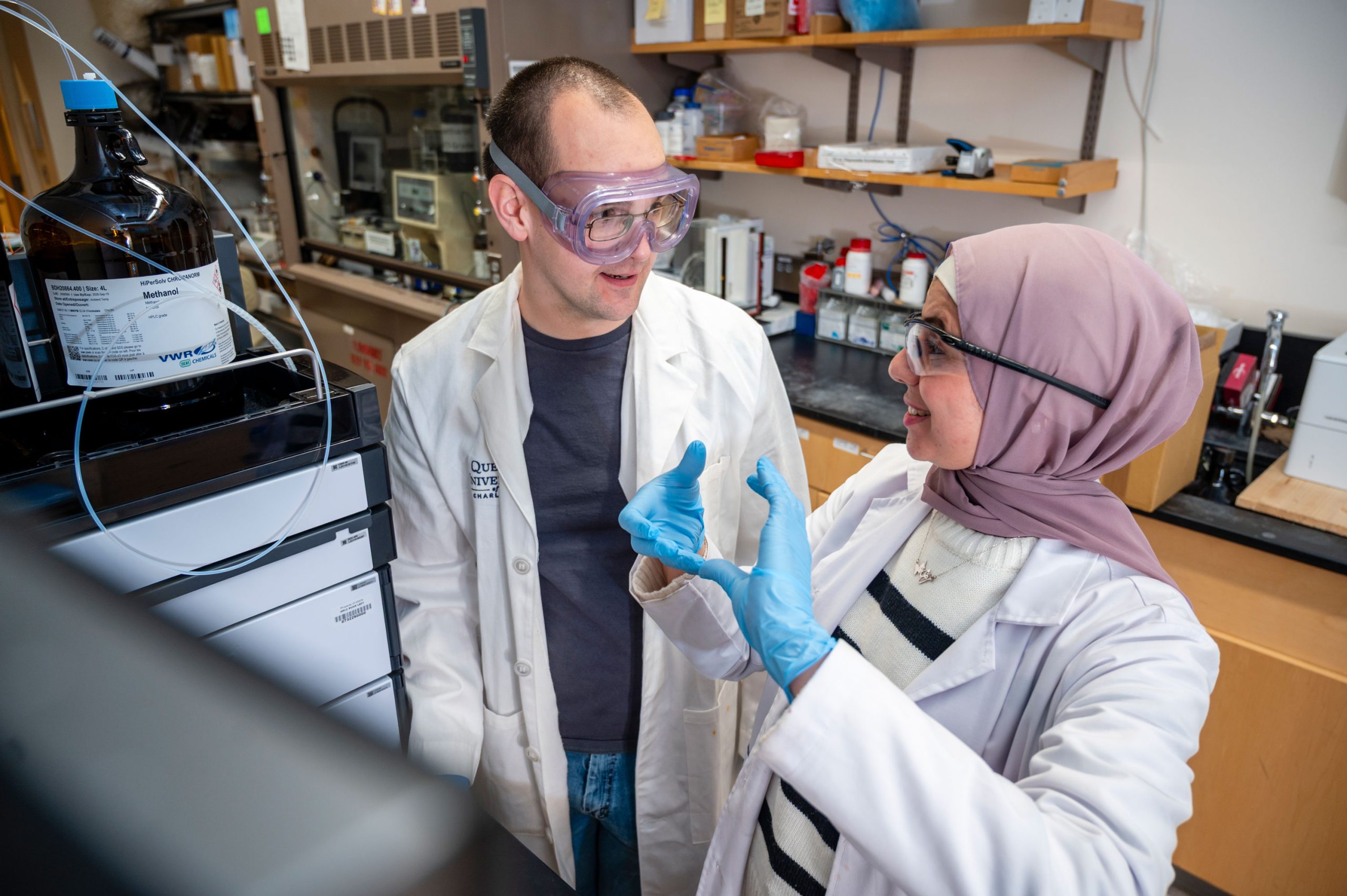
Doctoral student Reema Al-Qiam is focused on the perylenequinone class of fungal compounds and their potential energy applications.

Division of Research & Engagement
UNC Greensboro
1601 MHRA Building
1111 Spring Garden Street
Greensboro, NC 27412