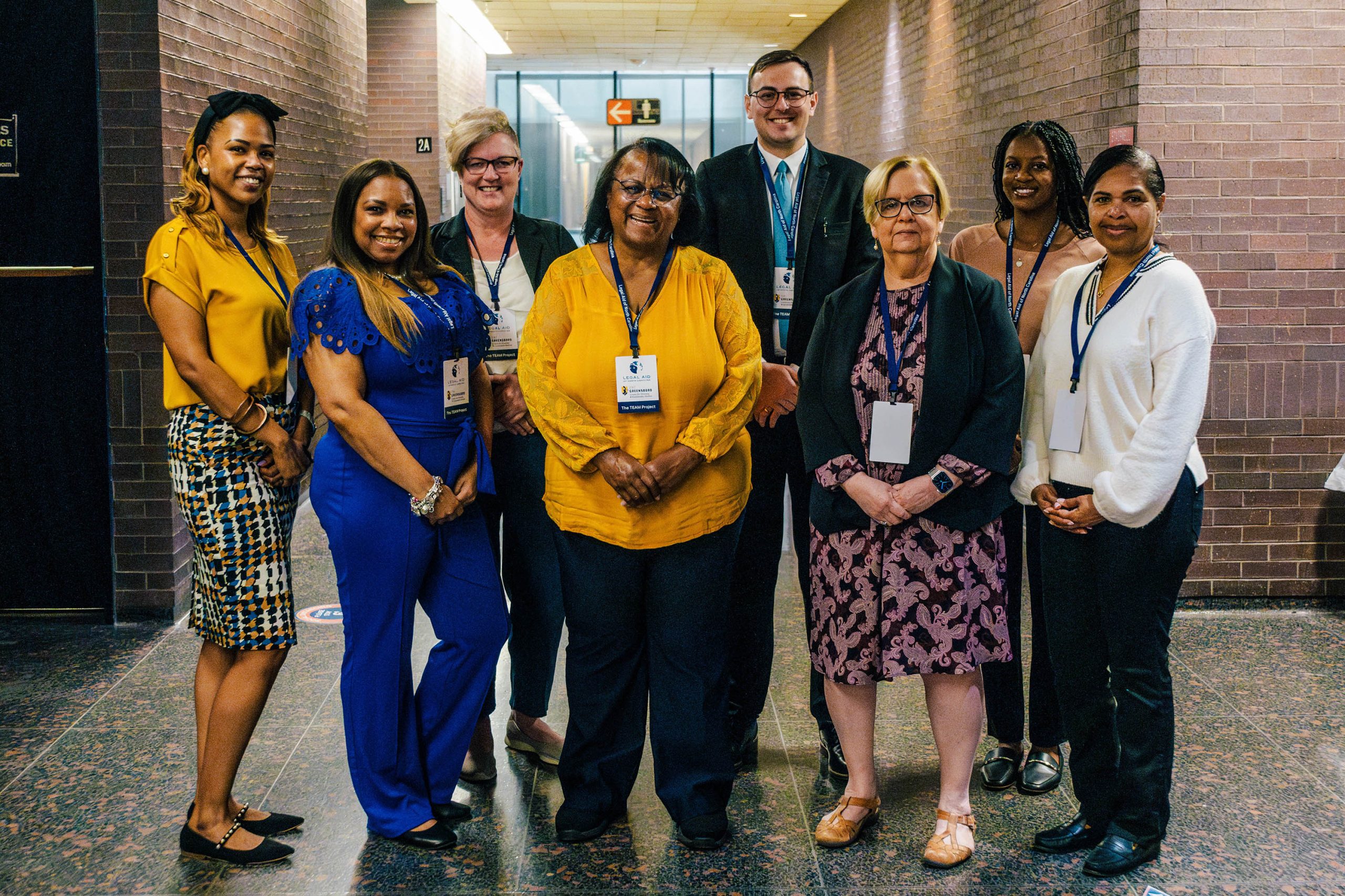
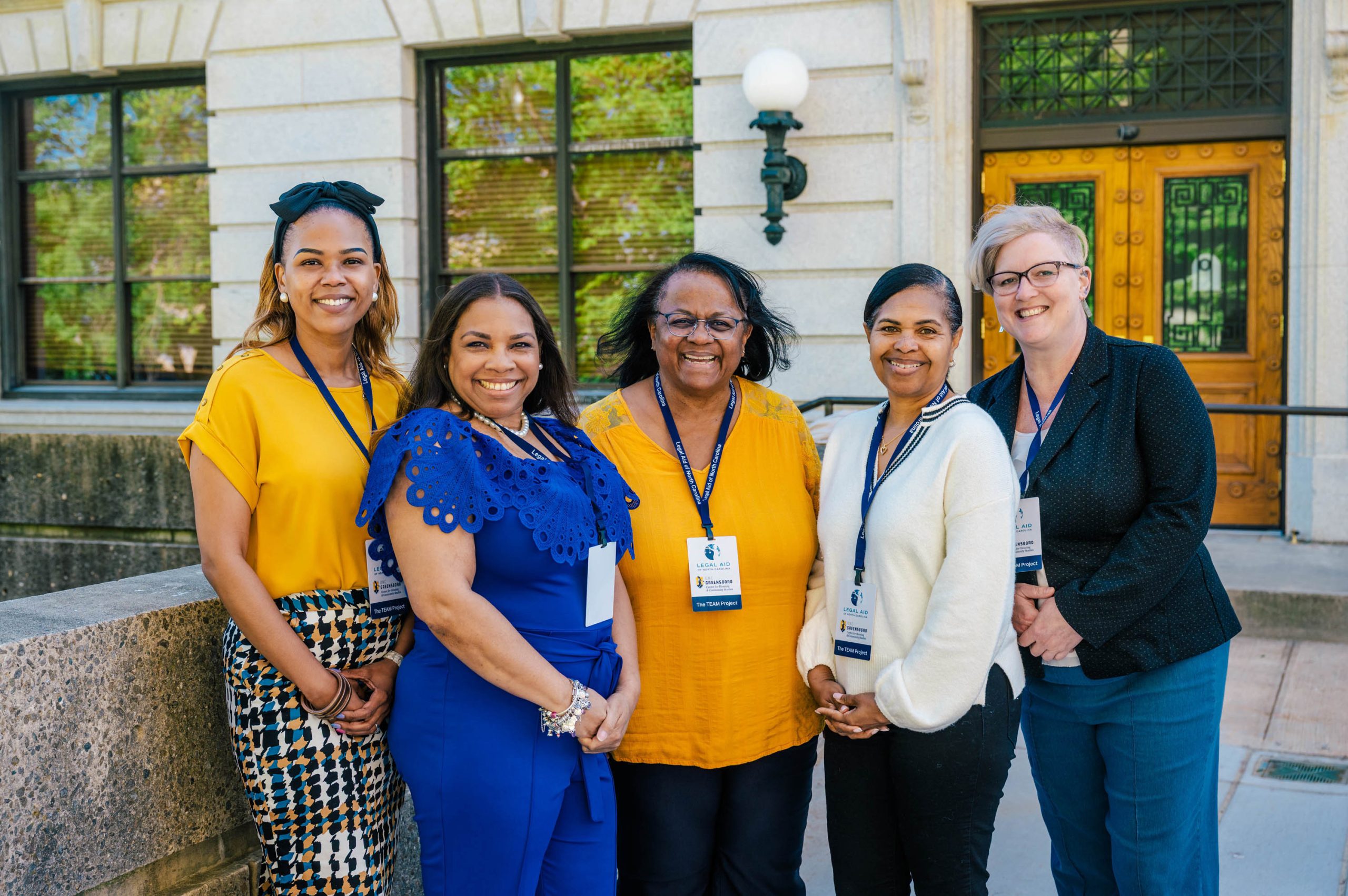
Mediating the Housing Crisis

Renée Norris, eviction mediation program coordinator for UNCG’s Center for Housing and Community Studies, says housing is a human right.

“Everyone who chooses should be able to have a place, however small or humble, that they can go and say, ‘I’m home. I’m safe.’”

But as a researcher and lawyer focused on housing issues, she knows things are not that simple. Rising rents and interest rates price many out of the market. There’s a lack of affordable housing, and many existing units are in sometimes-dangerous states of disrepair.

The Center for Housing and Community Studies, or CHCS, conducts research and community-informed interventions to tackle thorny problems exactly like these. Work ranges from a recent affordable-housing study in Baton Rouge to legal-needs assessments for low-income residents in South Carolina and North Carolina, to an affordable housing plan for Gastonia. 

Norris’s Eviction Mediation Program focuses on Guilford County.

Evictions impact renters and property owners and disrupt entire neighborhoods, says Norris.

For example, a recent Legal Services Corporation study determined that eviction proceedings are rarely beneficial for landlords, costing $2,500–$8,000 per case and resulting in fewer than 10% collecting owed back rent.

Story Highlights

UNCG’s Center for Housing and Community Studies tackles the housing crisis through its Eviction Mediation Program, in collaboration with Legal Aid of North Carolina.

“We partner together twice a week in the Greensboro courthouse and twice a week in the High Point courthouse,” explains Michael Cheema, a Legal Aid attorney. “Tenants can come to our table and receive mediation services, get connected with affordable housing, or get matched with a lawyer.”

Across three years, project personnel have worked with 3,771 tenants at courthouse clinic days and 2,985 clients outside of clinic days.

“Sometimes we will see someone in court because they owe $1,000 or $2,000 – mostly due to a job issue, either reduced work hours or losing their job,” Norris says. “By the time they get the new job, they’re already a month or two behind. Or it’s a temporary health issue.”

Rental assistance and mediation make a big difference in these cases.

Cheema has been deeply moved by the program’s impact.

A rising tide

During the early years of COVID, Norris says, evictions declined because Greensboro and Guilford County won American Rescue Plan Act Emergency Rental Assistance program grants that helped people stay housed.

She says fewer landlords are accepting federal Section 8 rental-assistance vouchers from low-income renters. Meanwhile, rental-pricing software tools can push rent to upper limits, while aggressive bargaining and cash purchases by investors make homeownership less accessible. The rise of corporate ownership of rental properties further stresses the system.

“They don’t give property managers a lot of leeway,” Norris adds. If a corporate policy says no partial payments, for example, mediation is out the window. “They don’t have the sense of community, or the sense of investment in our community.”

An annual point-in-time count shows a high of 721 people experiencing homelessness in Guilford County in 2016 – 129 of them under 18. The total number reduced to 452 in 2023 but rebounded to 665 in 2024.

Homelessness, Norris says, becomes a community problem when people are forced to live on the street.

Businesses that rely on employees getting to work, on consumers with dependable income, and on safe streets to engage in commerce have as much of a stake in this as local government, neighborhoods, and community organizations do.

“We need the landlords. And they need the tenants. We need to realize that we all have valid points of view, and that none of us want people to live on the street.”

Strengthen Your Community

Division of Research & Engagement
UNC Greensboro
1601 MHRA Building
1111 Spring Garden Street
Greensboro, NC 27412

Social Media

Share This